Law
The Message You Sent at 11 p.m. May Show Up in Court: Co-Parenting Apps vs. Everyday Texts as Evidence


A message sent to a co-parent can become part of a custody case long after the conversation itself is over. Timestamps, message history, read receipts, screenshots, and communication patterns can all help create a record of how parents interact outside the courtroom.
That reality is one reason structured co-parenting apps have become increasingly relevant in custody disputes. They are designed to preserve communication in a way ordinary text messaging was not, making it easier to establish when something was sent, what was said, and whether the record has been altered.
Custody fights increasingly turn on the paper trail parents build between hearings, not just the arguments made inside them. The channel you use to write to your co-parent can change what a judge sees, how much weight the record carries, and how easily the other side can challenge it.
The Record Is Built Differently Before Anyone Files Anything
A regular text thread is a personal log. A co-parenting app is a system of record. That distinction is real, not marketing language, and it starts the second a message leaves your phone.
Ordinary texts live on two devices and a carrier server. They can be edited on some platforms, deleted on almost all of them, screenshotted selectively, and pulled out of context. Co-parenting apps run the other direction. Messages lock at send, carry timestamps, and sit on the vendor’s servers with an audit trail.
When you hand something to a lawyer, the export already looks like an exhibit. The judges’ page from OurFamilyWizard spells out those features in plain terms: sent messages cannot be altered, timestamps track both sent and first-read events, and the whole conversation exports into a court-ready PDF.
Authentication Is Where Screenshots Quietly Fall Apart
Before a judge reads a message, someone has to prove the message is what you say it is. Under Rule 901 of the Federal Rules of Evidence, and the state rules that mirror it, the party offering electronic evidence must produce enough proof for a reasonable juror to find the record is genuine. That step is called authentication. It’s where casual screenshots start to lose.
Screenshots can be cropped. Timestamps can be spoofed on some devices. A phone with a contact saved as “Mom” does not, on its own, prove who typed the message on the other end.
Judges know this. An app export with an internal audit trail, an affidavit from the vendor, and per-message identifiers answers those questions before they get asked. A screenshot invites them.
Judges Read Patterns, Not Punchlines
One dramatic message rarely wins a custody hearing. A pattern does. Judges look for the shape of the exchange, not the highlight reel: which parent answers logistical questions on time, which parent holds the child’s schedule over the other’s head, which parent goes silent for two weeks and then floods the thread with grievances at midnight.
Everyday texts are hard to present as a pattern. They arrive in fragments across months, mixed with grocery lists and photos, and the ugly ones tend to be the only messages anyone remembers to save.
An app export is chronological, complete, and unedited by design. The pattern becomes legible without a lawyer having to reconstruct it from a shoebox of screenshots.
When Each Channel Actually Wins
Neither tool fits every family. The honest comparison looks like this.
- High-conflict co-parenting. Use an app. If a judge has already flagged the relationship as contentious, or if either parent has a habit of denying what was said, the unalterable record settles the fight before it starts.
- Cooperative co-parenting. Texts and email are fine for logistics. Keep the thread narrow, keep the tone flat, and write every message as if a stranger might read it later. Do not delete anything, even the messages you regret.
- Anything involving safety, money, or schedule changes. Move that conversation into a channel that timestamps and preserves it, regardless of how the rest of the co-parenting relationship is going. These are the exchanges that show up in filings.
- Anything you would not want read aloud. Do not send it on any channel. Call a friend, call a therapist, call a lawyer. Do not put it in writing to the other parent.
What to Do Before the Next Disagreement
If your custody order does not yet specify a communication channel and the relationship has any friction, ask for one. Courts commonly write co-parenting apps into orders once conflict shows up on the record. Getting there before a hearing puts you in a better spot than reacting after one.
The rules of evidence, the platform choice, and the tone of the writing all compound. A family law attorney can read the current thread, flag what would help or hurt in front of a judge, and recommend the channel that fits the case.
The message you send tonight is either building a record that helps your kids or one a lawyer will spend billable hours cleaning up. Pick the channel accordingly.

A breathalyzer result can be a significant piece of evidence in a DUI case. But the number printed on a test report doesn’t tell the entire story. Breath-testing devices require proper maintenance, accuracy checks, and operation to produce reliable results. When questions arise about those procedures, records documenting the machine’s condition and testing history may become important.
For someone facing a DUI charge, understanding what those records show can help clarify whether the breath test was administered and maintained according to applicable requirements.
Why Breath Test Results Aren’t Beyond Question
Evidential breath-testing instruments use technology to estimate alcohol concentration from a person’s breath. Although these devices are designed to produce reliable measurements, their accuracy depends on proper operation and maintenance. A test result may be challenged when there are concerns about the instrument’s condition, testing procedures, or the operator’s compliance with applicable rules.
A DUI defense attorney may review maintenance records, accuracy checks, and other documentation to determine whether potential problems could affect the admissibility or reliability of the result.
However, a minor documentation issue doesn’t automatically make a breath test invalid. Its significance depends on the circumstances and governing law.
What Calibration Records Can Reveal
Breath-testing instruments undergo accuracy checks and calibration procedures intended to confirm that they produce results within acceptable limits. These records may reveal whether a device passed required checks, experienced technical problems, or needed maintenance before returning to service.
The importance of such documentation became clear during litigation involving breath-testing devices in Massachusetts. As WBUR reported, the state’s Office of Alcohol Testing withheld records of failed calibration attempts, raising serious concerns about disclosure practices and the reliability of affected evidence.
The controversy demonstrated why access to complete testing records matters.
An unsuccessful calibration attempt doesn’t necessarily mean every subsequent result from that instrument was inaccurate. However, the records can help determine whether problems were properly identified, corrected, and disclosed.
How Software and Maintenance Affect Breath Testing
Modern evidential breath-testing devices rely on software to control testing procedures, process measurements, and identify certain errors. Software versions and maintenance histories may therefore be relevant when evaluating a particular test. Depending on the instrument and jurisdiction, attorneys may examine:
- Calibration and accuracy records. Whether required checks were completed and the device met applicable standards.
- Maintenance history. Whether technical problems were reported and appropriately addressed.
- Software versions. Which software was installed when the test occurred and whether relevant changes were documented.
- Error records. Whether the device reported malfunctions or other issues that could affect testing.
- Operator documentation. Whether the person administering the test followed required procedures.
Not every instrument stores the same information, and the availability of these records varies. The presence of a software update or maintenance entry doesn’t establish that a result was unreliable. The question is whether a specific issue could have affected the test.
Can Defense Attorneys Review Breathalyzer Source Code?
Source code controls how software-based breath-testing instruments operate, making it a potential subject of dispute in DUI litigation. However, obtaining that code isn’t always straightforward.
Manufacturers may claim that source code contains protected trade secrets, while defense attorneys may argue that access is necessary to evaluate the reliability of evidence used against their clients.
A Washington Journal of Law, Technology & Arts analysis examines legal challenges involving access to breathalyzer source code and the competing interests surrounding disclosure. Courts evaluate these requests under applicable discovery rules and constitutional requirements. Access isn’t guaranteed, and a defendant generally must establish a legally sufficient basis for the requested material.
Even when source code is available, identifying a potential software problem doesn’t automatically establish that a particular breath test was inaccurate.
What Happens if a Breath Test Is Excluded?
A successful challenge to a breath test can significantly affect a DUI prosecution, but it doesn’t necessarily result in dismissal. Depending on the charge and jurisdiction, prosecutors may still rely on other evidence, including:
- Officer observations of driving behavior or impairment.
- Field sobriety test results.
- Dashcam or body camera footage.
- Witness statements.
- Blood test results, when available and admissible.
Without a breath test, the prosecution may have a different evidentiary burden, particularly when the charge depends on proving a specific alcohol concentration.
The outcome depends on the remaining evidence and the elements of the offense.
Why the Records Behind the Test Matter
Breath-testing technology plays an important role in DUI enforcement, but its results must still satisfy applicable legal and evidentiary standards.
Calibration reports, maintenance records, software documentation, and operator procedures can provide important context about how a test was performed.
For defendants and their attorneys, reviewing that information can help identify legitimate concerns without assuming every technical irregularity invalidates a result.
The number on a breath test report matters. So does the documentation supporting it.

On October 2, 2026, a federal judge in Nashville let a TCPA class action move forward over more than 150 ringless voicemails pitching debt relief, rejecting the usual argument that these messages aren’t “calls” at all. The case, Durham v. Clarity Debt Resolution, is one more sign that the workaround built to sidestep consumer phone law is coming apart on the vendors who sold it.
For years, companies that drop prerecorded messages straight into voicemail inboxes have told clients the trick is legal because nothing rings on the recipient’s phone. That theory has been losing in regulators’ offices and courtrooms since 2018. By 2026, it’s close to dead. Here’s what people still get wrong about ringless voicemail, one assumption at a time.
The “It Doesn’t Ring, So It Isn’t a Call” Argument Is Over
The whole business model rested on a semantic claim: if the recipient’s phone never lit up, no “call” was placed, and the TCPA didn’t apply. The FCC closed that door in late 2022. In a declaratory ruling, the agency found that ringless voicemail to wireless phones is a call made using an artificial or prerecorded voice, and therefore sits squarely inside section 227(b)(1)(A)(iii) of the statute.
The reasoning was blunt. These messages use the recipient’s wireless number to reach a mailbox tied to that number, and the phone still receives a notification. Calling that something other than a call elevated form over substance. If you’ve been told the technology occupies some gray zone, a plaintiff suing over one of these messages has a clear statutory path to pursue.
“We Got Consent Somewhere” Is Not a Compliance Program
Marketers often assume consent captured for one purpose covers everything that follows. That assumption is where most of the losses start. A ringless voicemail using a prerecorded voice to a cell phone requires prior express written consent for marketing, and prior express consent for most informational uses. The paperwork has to match the message.
A few patterns show up in the cases that go sideways:
- Stale lists. Phone numbers scraped or purchased from a third party, with no record of how or when the consumer agreed to anything.
- Scope creep. Consent collected for account notifications, then stretched to cover promotional pitches from a different line of business.
- Ignored revocations. A “stop” reply or verbal opt-out on a prior call that never made it into the suppression list the dialer actually reads.
- Reassigned numbers. The person who agreed years ago gave up the number, and the new subscriber is now getting messages they never asked for.
Any one of these can turn a routine campaign into a class action. All four show up in the same complaints over and over.
The 2026 FCC Rewrite Doesn’t Rescue the Practice
There is a lot of chatter in compliance circles about the FCC’s September 2026 draft order revisiting consent and opt-out rules. Some vendors are pitching it as a loosening that will give ringless voicemail breathing room. A careful read says otherwise.
The draft would narrow the delayed “revoke-all” requirement so a consumer’s opt-out could be read as applying only to the specific category of informational robocalls at issue. That is a change at the edges of how revocations get processed, not a reopening of the question of whether these messages count as calls. The core holding, that ringless voicemail is a prerecorded call to a wireless number, is untouched.
“The Statutory Damages Are Small” Isn’t True Either
The last myth is the one that gets businesses into real trouble. One message to one person sounds manageable, but a campaign is a different animal.
Multiply by a modest list, and the exposure runs into seven figures before anyone argues about class certification. The Nashville case cited at the top of this piece involves 150-plus messages to one named plaintiff alone. Vendors that pitched ringless voicemail as cheaper and lower-risk than a dialer campaign were pricing it against the ring, not against the lawsuit.
What to Do If You’re on Either Side of One of These Messages
If you’re a consumer who keeps finding prerecorded pitches in your voicemail, save them. The audio file, the timestamp, the number that “called,” and any transcript your carrier generates all matter. A pattern of messages from the same source, especially after you’ve told them to stop, is the record a case gets built on.
If you’re a business considering a ringless voicemail campaign, the honest answer is that the regulatory question is settled against the format. The path forward is the same one that applies to any prerecorded outreach: documented consent, a working revocation process, suppression that actually suppresses, and a hard look at whether the message needs to be prerecorded at all. The workaround is no longer a workaround.
Law
Your Smartwatch Just Became Evidence: What to Do When Heart-Rate, GPS, and Fitness Data Enter a Criminal Case
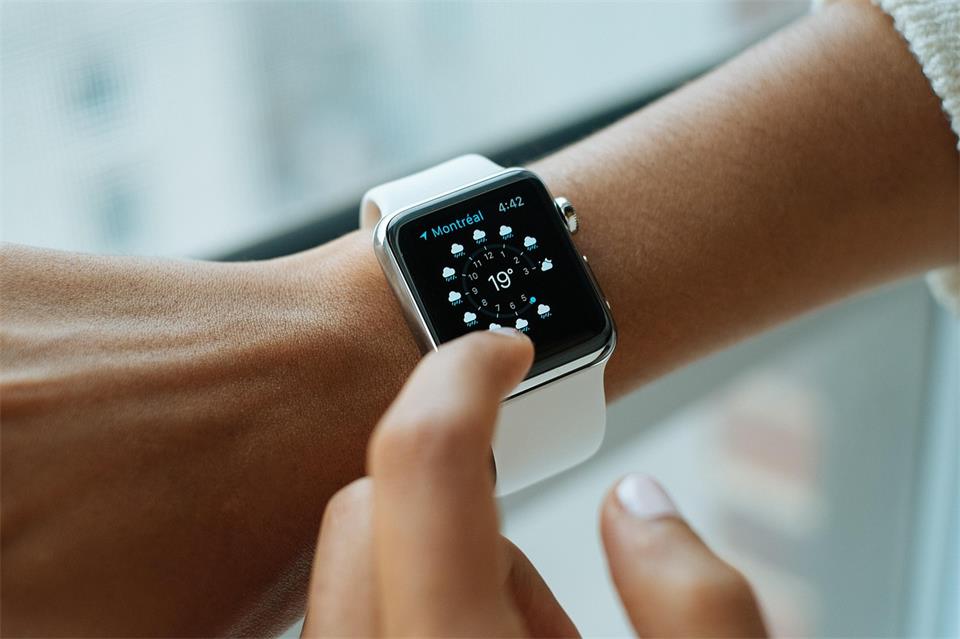
About one in five American adults wears a smartwatch or fitness tracker on a regular basis, and prosecutors have noticed. A device sold to count steps and nudge you off the couch now logs heart rate, GPS traces, altitude, sleep stages, and the second your pulse jumped. In a criminal case, those files become exhibits.
If you wear one, or someone close to you does, a handful of real decisions are waiting for you long before a detective ever calls. The worst time to work through any of them is under pressure, in the first hours after a serious incident.
Decide Whether to Keep Wearing It After an Incident
The reflex after any crisis, your own injury or someone else’s, is to pull the watch off and set it aside. Resist that reflex, and resist the opposite one too. A watch that keeps recording captures your real-time pulse, your location, the fact that you paced the kitchen for an hour. A watch suddenly removed, factory reset, or “lost” looks like exactly what it looks like.
Leave the device alone. Don’t delete the app, sign out of the cloud account, factory reset the watch, or hand it to someone else to hold.
“Once someone knows their wearable may contain evidence relevant to an investigation, trying to delete or alter that data can create a separate problem from whatever the data originally showed,” says SBBL Law. “The safer approach is to preserve the device and its data and let counsel determine what, if anything, needs to be produced.”
Decide Who Already Has Your Data
Most wearers assume their health metrics live on the watch. They live on a phone, in a vendor cloud, and often inside a secondary app that paid for the integration. Each of those custodians can receive a subpoena, a search warrant, or a preservation letter. Work through the full chain before you assume anything is private:
- The device itself. Local storage is small and recycled quickly, but recent sessions and the last sync token often sit there.
- The paired phone. The health app on your phone usually holds the richest, longest history, and it’s the easiest target in a consent search.
- The vendor’s cloud. Apple, Google, Fitbit, Garmin, and others store server-side copies that can be produced on legal process whether or not you still have the device.
- Third-party apps. Running, cycling, sleep, and fertility apps you connected years ago may still be pulling your data on a schedule you forgot about.
Consumer wearables mostly sit outside HIPAA, which surprises people. Fourth and Fifth Amendment problems come with that, including when the government can compel you to unlock a device versus when it has to go to the vendor directly.
Decide How Much to Trust the Numbers Themselves
Juries treat smartwatch readings like clock readings. They shouldn’t. Optical heart-rate sensors use photoplethysmography, which infers your pulse from light bouncing off capillaries, and the signal gets confused by motion, tattoos, dark skin, cold wrists, and loose bands. Stride and GPS have their own failure modes, especially indoors and under dense cover.
Prosecutors have won real cases with this data anyway. If you are the defendant, your decision is whether to attack the raw numbers, attack the interpretation, or both. The right answer depends on what the file actually shows when a forensic examiner pulls it, not on what the police report summarizes.
Decide Whether to Fight the Warrant or Fight the Reading
Two separate battles start once wearable data is in a case, and conflating them is a common mistake. One is whether the government should have gotten the data at all. The other is what the data actually proves.
The access fight runs through Carpenter v. United States, which required a warrant for historical cell-site location records held by a third party. Lower courts are still working out how far that reasoning stretches into continuous biometric data, and a motion to suppress is often worth filing even when the odds are mixed, because the record you build survives into appeal.
The reliability fight is different. A defense expert pulls the raw sensor file, shows the noise, points to the dropped signal, and explains why a sudden overnight spike might be the band shifting on the wrist rather than a sprint across a parking lot. Pick the fight that matches the evidence. Sometimes you file both motions, sometimes only one.
The device on your wrist is not neutral. It is a cooperative, always-on witness with no memory of what it saw and no instinct for self-preservation. The decisions above are the ones that let you, rather than the watch, shape the record.

How Breathalyzer Calibration Records Can Affect a DUI Case

Are Ringless Voicemails Legal? Understanding TCPA Rules and Violations

Why Creators Keep Misreading What a Sponsorship Actually Pays After Tax

Your Smartwatch Just Became Evidence: What to Do When Heart-Rate, GPS, and Fitness Data Enter a Criminal Case

How Operating Room Data Recorders Are Now Tackling Medical Malpractice Fights

The Message You Sent at 11 p.m. May Show Up in Court: Co-Parenting Apps vs. Everyday Texts as Evidence

The Number vs. The Story: How Coefficient of Friction Is Reshaping Slip-and-Fall Cases
-
 Captions5 years ago
341 Sexy Captions to Fire Up Your Instagram Pictures
-
Captions5 years ago
311 Night Out Captions for Instagram and Your Crazy Night
-
Captions5 years ago
245 Saree Captions for Instagram to Boost Your Selfies in Saree
-
Captions5 years ago
256 Best Ethnic Wear Captions for Instagram on Traditional Dress
-
Captions5 years ago
275 Deep Captions for Instagram to Express Your Thoughts
-
Captions5 years ago
230 Blurred Picture Captions for Instagram
-
Quotes5 years ago
222 Nail Captions for Instagram to Showcase Your Fresh Manicure
-
Captions5 years ago
211 Laughing Captions for Instagram | Laughter Is the Best Medicine