Entertainment
Kenna Kennor, Britt Lower’s Husband, Blending British Roots With Brooklyn Creative Culture


Kenna Kennor’s accent gives him away the moment he answers the salon phone, yet he feels as much a part of Brooklyn’s creative heartbeat as the gritty murals under the BQE.
Long before New Yorkers learned to pronounce “Northumberland” properly, Kennor was already translating his British upbringing—equal parts punk resourcefulness and polite craftsmanship—into hairstyles that look effortless but feel deeply personal.
His story is less about transplanting royalty and more about watching a seed grow in unfamiliar soil, ultimately flowering into the community he and actress Britt Lower now call home.
From Northumberland to North Brooklyn
Raised in a village where history seeps from every stone wall, Kennor watched seaside fog twist around ruined castles and imagined shapes in the mist. That early habit of seeing hidden forms now guides his work behind the chair. He arrived in New York clutching a battered kit and two words—movement and emotion—as creative compass points.
Rather than adopting a shiny grin and quick-trend mindset, he let Williamsburg’s patchwork energy reshape his sensibilities while keeping the gentle cadence of his northern English speech.
The result is a stylist who can quote T. S. Eliot between snips, yet still wax poetic about Knicks basketball, a blending of sensibilities that charms clients who crave authenticity over spectacle.
Kennaland, a Salon With Accent and Attitude
Kennor’s studio, Kennaland, looks like a film set built for conversations. Vintage barber chairs mingle with art books, dried flowers hang from pipes, and sunlight nudges through tall factory windows. Each haircut doubles as an exchange of ideas—British humor meeting Brooklyn candor in an hour-long dialogue.
Kennor encourages apprentices to weed out buzzwords and focus on shape, silhouette, and how hair behaves five days after a wash. That ethos keeps Kennaland free of cookie-cutter blowouts and churns out quietly striking cuts that earn more side-eye admiration on the L train than any Instagram filter could.
Clients walk out feeling as though they just visited a friend’s kitchen who happens to wield shears like a sculptor’s chisel.
Creative Cross-Pollination With Local Artists
While some stylists protect their secrets, Kennor opens his doors after hours for painters, photographers, and indie musicians hosting pop-up shows beneath the salon’s rough-hewn beams. These gatherings blur the line between workspace and gallery, turning leftover hair clippings into mixed-media collages or mood-board fodder.
Kennor believes creative cultures feed on collaboration, much like the British pub sessions that bred generations of rock bands. In Brooklyn, he has swapped pints for cold-brew and vegan pastries, yet the impulse to swap stories remains.
A local printmaker recently credited a Kennaland jam-session for inspiring her latest linocut series, proving a sharpened pair of scissors can spark ideas far beyond layers and fringe.
Partnering With Britt, On-Set and Off
Marriage to Britt Lower—a performer praised for magnetic roles in shows like “Severance”—has expanded Kennor’s canvas. At home they swap critiques of scene pacing and hair movement with equal seriousness, turning their apartment into a low-key think tank.
During shoots Britt trusts Kenna’s eye for texture as much as her director’s call sheet, and she frequently credits him for grounding her creative process.
One early collaboration remains visible online: Britt’s short film “Circus Person” quietly notes Kennor’s behind-the-scenes support, underscoring how seamlessly their talents intertwine. Together, they nurture a style that is less red-carpet spectacle and more lived-in narrative, mirroring the couple’s shared love of stories that breathe.
Building Community, One Curl at a Time
Ask Kennor what success looks like and he will not mention awards or celebrity photo spreads. Instead he points to the kid from up the block who once traded skateboard stickers for a fringe trim and now stops by to chat about art school applications. He smiles when a regular tells him their new cut gave them the courage to ask for a promotion.
Those moments, layered day after day like brushstrokes, form the mural Kennor truly cares about—a picture of neighbors lifting each other through craft and conversation. By mixing British humility with Brooklyn resolve, he proves creativity is not a glossy export but a shared resource, best cultivated where roots and asphalt meet.

Big international tournaments do something strange to sports betting. They bring in people who are not always there. Regular bettors stay, of course, but they are suddenly joined by casual fans, national fans, once-in-a-tournament fans and people who only care because everyone around them is watching. The match becomes more than a fixture.
It becomes a public event. That changes the way people bet. A normal league match is often judged by form, injuries, table position and recent performances. A World Cup match, a continental championship, or a major international final carries something heavier.
People think about pride, history, flags, famous shirts and old memories. Sometimes that helps them see the match clearly. Sometimes it gets in the way.
Underdogs Get More Attention Than Usual
In league football, many casual bettors that bet world cup ignore the smaller side. In a major tournament, that changes. An underdog suddenly has a story. A nation playing for history. A goalkeeper having the night of his life. A team that knows one draw could change everything. These details make people look beyond the favourite.
That is why handicap markets, draw markets and low scoring angles often get more attention during international tournaments. A smaller team does not always need to win to matter. It only needs to stay close, frustrate the favourite or keep the match alive longer than expected. Tournament football gives underdogs a bigger stage. Betting follows that drama.
Player Markets Become Personal
Big tournaments also turn players into individual betting stories. A striker carrying a country. A midfielder expected to control everything. A goalkeeper under penalty pressure. A defender likely to face a dangerous winger. These things make player markets feel more natural. People may not want only the match winner.
They may bet on a forward to score, a player to take shots, a midfielder to make fouls, or a defender to get booked. That kind of betting fits the way fans watch tournament football. They talk about names, not only teams. A normal player prop can suddenly feel like part of the tournament story.
Live Betting Becomes More Reactive
Big tournaments create nervous matches. That makes live betting attractive, but also dangerous. A team that looked calm before kickoff can panic after conceding. A favourite can start slowly.
An underdog can grow braver with every minute it survives. Live betting works because the match changes in front of everyone. The problem is that emotion changes too. A crowd gets louder.
A group chat overreacts. A missed chance feels like proof of something. Bettors can start chasing the feeling of the game instead of reading what is actually happening. The best live betting during tournaments usually comes from patience. Not every dramatic moment is a signal.
The Tournament Makes Every Match Feel Bigger
That is the real change. A league match can disappear by the next weekend. A tournament match feels like it stays around. One goal can change a group. One card can ruin a plan. One missed chance can become part of a country’s football memory.
That weight pulls more people into betting. It gives every market more emotion, more conversation and more public opinion. Sometimes that creates value. Sometimes it creates noise. Big international tournaments do not only change football.
They change the way people see prices, favourites, underdogs and players. The match becomes bigger than the numbers, and that is exactly why betting behaviour changes with it.

Aviator became famous in the world of online casino and betting not because of how big and complicated it is. In fact, it is one of the simplest games on the screen. No crowded reels, no long setup, no heavy theme doing all the work.
A line rises, the multiplier climbs, and the player decides when to cash out. That is basically it. But that simple structure changed the feel of betting because it put all the pressure in one place: timing.
One decision carries the whole round
A lot of betting products spread tension across a longer stretch. A football bet runs through a full match. A slot hides the result inside spins, symbols, and bonus rounds. Aviator compresses everything into one live moment. That is where the game works. Cash out early and it feels safe, but maybe frustrating.
Wait longer and the return looks better, but the round can vanish immediately. That tension between leaving and staying is the whole point. Aviator mz does not hide behind complexity. It makes one decision matter more with every second.
It feels closer to live betting than to old casino rhythm
Part of what makes Aviator stand out is that it behaves more like live betting than a traditional casino game. The player is reacting to something happening in real time, not pressing a button and waiting for the outcome afterward. That difference matters. Live sports betting grew because people liked acting inside the match, not only before it.
Aviator taps into a similar instinct. You watch movement, feel the pressure build, and choose your moment. That gives it a more modern kind of tension than many older casino formats.
The design does not get in the way
One reason Aviator works so well is that the screen stays focused. A lot of online betting and casino products add too much around the main idea. More effects, more prompts, more visual noise. Aviator does the opposite.
It leaves room around the mechanic and lets the mechanic carry the session. That makes the game feel sharper. The player does not have to search for where the tension is. It is right there in the climb of the multiplier. That clean layout is a big part of why the game feels stronger than louder products.
It borrows from gaming culture in the right way
Aviator also feels current because it picks up some of the rhythm people already know from gaming. There is pace, visible progression, and immediate feedback. One small decision changes the whole round.
That helps the game sit between casino play and betting culture. It does not feel trapped in older gambling design, but it also does not try too hard to dress itself up as something else. It keeps the idea clear.
Why Aviator keeps getting talked about
Aviator proves something a lot of betting products miss. More features do not always create more tension. More noise does not always create more excitement.
Sometimes the strongest version of a game is the one that strips everything back and trusts the core idea. That is what Aviator did. It took risk, timing, and nerve and made them visible in one moving line. That is why it still feels different.
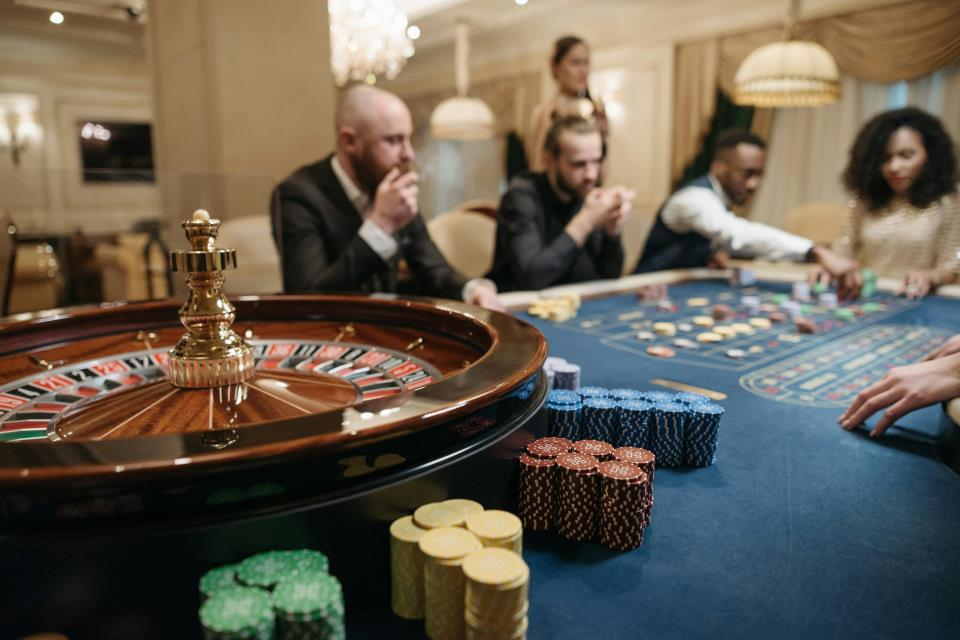
At first glance, casino offers seem simple. Bigger bonuses, more spins, better value. But regular players do not approach them in that way. Over time, experience changes how offers are judged. What once looked exciting starts to feel complicated, and what once felt generous begins to raise questions.
There is a clear shift in mindset. Regular players are no longer chasing the biggest number. They are looking for clarity, fairness, and control.
Transparency matters more than size
The headline offer is rarely the deciding factor anymore. Bonuses are still widely used, but trust in how those offers are presented carries more weight. Regular players know that a large bonus can quickly lose its appeal if the details are buried in complicated terms.
They tend to look for:
- Clear explanations of what they are getting
- Simple, visible terms and conditions
- No unexpected restrictions when it comes to withdrawals
An offer needs to make sense immediately. If it takes too long to understand, many players simply move on.
Wagering requirements are the real dealbreaker
If there is one factor that experienced players check first, it is wagering requirements.
These rules determine how many times a bonus must be played through before winnings can be withdrawn. High or unclear requirements can significantly reduce the real value of an offer.
That is why regular players often:
- Avoid offers with excessive wagering multipliers
- Look for bonus-only wagering rather than deposit plus bonus conditions
- Choose offers that feel achievable rather than theoretical
A smaller, straightforward bonus is often seen as more valuable than a large one that feels difficult to unlock.
“Free” still matters, but expectations have changed
Bonuses still attract attention, especially no-deposit offers. However, the idea of “free money” is no longer taken at face value.
Experienced players understand that every bonus comes with conditions. The real question is whether those conditions allow for any realistic value.
They tend to ask:
- Is there a genuine chance to withdraw winnings
- Are there restrictions on specific games
- Does the offer provide a clear path to usable value
The excitement is still there, but it is balanced with a more practical perspective.
Trust is now a deciding factor
Interest in bonuses remains strong, but there is also growing skepticism. Many players feel overwhelmed by the number of offers available and would prefer fewer, clearer options.
This has shifted attention towards trust. Players are paying closer attention to:
- Licensing and regulation
- Payment reliability and withdrawal speed
- Quality of customer support
- Overall reputation
A strong offer might attract attention, but trust determines whether a player actually signs up.
Ease of use and overall experience
Regular players do not separate the bonus from the platform itself. The experience surrounding the offer plays a major role in decision-making.
If a website is slow, confusing, or difficult to navigate, even a strong offer can lose its appeal. Players value platforms that allow them to get started quickly and understand what they are doing without effort.
Many turn to comparison platforms like freeextrachips.com to quickly assess different offers in one place. This helps reduce friction and allows them to focus on what really matters.
Variety and flexibility
Regular players rarely stick to one type of offer. Preferences change depending on budget, mood, and playing style.
What makes an offer appealing is flexibility:
- Options that suit different risk levels
- Bonuses that apply across multiple games
- The freedom to choose how and when to use the offer
The more adaptable the offer, the more likely it is to stand out.
The shift from attraction to evaluation
The biggest change is how players approach offers. They are no longer reacting impulsively. They are evaluating carefully.
Instead of being drawn in by large numbers, regular players tend to run through a mental checklist:
- Is it clear
- Is it fair
- Is it usable
- Is it worth the time
If the answer is not obvious, they move on without hesitation.
A more informed player is reshaping the market
As players become more informed, expectations continue to rise. Casinos can no longer rely on eye-catching figures alone.
The offers that resonate most today are those that respect the player’s time and understanding. Simplicity, transparency, and realistic value are becoming the key factors.
Regular players are not searching for the biggest bonus available. They are looking for the one that genuinely delivers.

How Operating Room Data Recorders Are Now Tackling Medical Malpractice Fights

The Message You Sent at 11 p.m. May Show Up in Court: Co-Parenting Apps vs. Everyday Texts as Evidence

The Number vs. The Story: How Coefficient of Friction Is Reshaping Slip-and-Fall Cases

How ICX Global Works From Sign-Up to Market Access

The Quiet Piece of Materials Science Sitting Under Your Induction Pan

Reporting Inside vs. Going to the Government: What Whistleblowers Get Wrong About Their Options

The Gun Isn’t the Case: What Actually Wins or Loses a New Jersey Weapons Charge
-
 Captions5 years ago
341 Sexy Captions to Fire Up Your Instagram Pictures
-
Captions5 years ago
311 Night Out Captions for Instagram and Your Crazy Night
-
Captions5 years ago
245 Saree Captions for Instagram to Boost Your Selfies in Saree
-
Captions5 years ago
256 Best Ethnic Wear Captions for Instagram on Traditional Dress
-
Captions5 years ago
275 Deep Captions for Instagram to Express Your Thoughts
-
Captions5 years ago
230 Blurred Picture Captions for Instagram
-
Quotes5 years ago
222 Nail Captions for Instagram to Showcase Your Fresh Manicure
-
Captions5 years ago
211 Laughing Captions for Instagram | Laughter Is the Best Medicine