Lifestyle
Getting Your Bike Ready for Professional Transport


Preparing a motorcycle for professional transport is an essential step that ensures a smooth, safe, and stress-free moving experience.
Whether you are relocating, selling a bike, or sending it to a new riding destination, careful preparation protects both the vehicle and your peace of mind. Transport services are designed to handle motorcycles with expertise, but owners still play a key role in getting their bikes ready before collection day.
By taking the time to prepare properly, you reduce the chances of delays, damage, or unexpected issues during transit. Simple tasks such as cleaning, documenting the condition, and removing personal items can make a noticeable difference.
These small efforts help transport providers manage your bike more efficiently and allow you to feel confident throughout the process.
Cleaning and Inspecting Your Motorcycle
Before handing your bike over for shipping, give it a thorough wash. Cleaning your motorcycle is not just about appearance; it allows you to clearly identify any existing scratches, dents, or mechanical concerns. When the surface is free from dust and grime, both you and the transporter can easily assess the bike’s condition.
After cleaning, perform a basic inspection. Check for fluid leaks, tire pressure, and battery health. Even if the motorcycle will not be ridden during transport, ensuring it is in stable working condition can prevent complications when it is loaded or unloaded.
Make a note of any pre-existing damage and take clear photographs from multiple angles. These records provide reassurance and transparency for everyone involved.
Removing Accessories and Securing Loose Parts
Motorcycles often have personal touches such as custom mirrors, saddlebags, or mounted devices. While these additions enhance the riding experience, they can become vulnerable during transit. Removing detachable accessories helps protect them from loss or breakage. Store these items safely and transport them separately if possible.
Loose components should also be secured. Fold in mirrors, tighten bolts, and ensure any movable parts are stabilized. This preparation helps minimize movement while the bike is in transit. Professional carriers typically use straps and specialized equipment, but your attention to detail adds an extra layer of safety.
Managing Fuel and Fluids
Transport guidelines usually recommend keeping the fuel tank only partially filled. A quarter tank is often sufficient, as it reduces weight and lowers potential safety risks. Avoid transporting a motorcycle with a completely full tank, as fuel expansion or leakage could cause issues during long journeys.
It is also wise to check other fluids, such as oil and coolant levels. While major maintenance is not always necessary, ensuring there are no active leaks or severe mechanical concerns can prevent complications when the bike reaches its destination. A well-maintained motorcycle is easier for transport teams to handle and store securely.
Organizing Documentation and Communication
Good communication with your chosen transport provider is essential. Confirm collection times, delivery expectations, and any specific preparation instructions they may have. Each company may follow slightly different procedures, so understanding their requirements ahead of time helps everything run smoothly.
If you are planning to take your bike or transport your car Philadelphia through a professional service, make sure you have all relevant paperwork ready. This might include proof of ownership, identification, and booking confirmations. Keeping documents organized speeds up the handover process and avoids last-minute stress.
Preparing for Collection Day
On the day of collection, ensure the motorcycle is accessible and ready to load. Clear pathways, unlock storage areas, and make sure the keys are available if required. Being present during pickup can be helpful, as you can review condition reports and confirm details directly with the driver.
It is also beneficial to plan for the arrival at the destination. Decide where the bike will be stored, whether it needs immediate maintenance, and how you will inspect it upon delivery. Having a clear plan ensures that the final stage of transport is just as smooth as the beginning.
Building Confidence in the Transport Process
Preparing your motorcycle for professional transport is ultimately about trust and responsibility. By taking proactive steps, you contribute to a safer journey and reduce uncertainty. Transport professionals bring experience and specialized tools, but your preparation ensures that everything starts on the right foot.
With thoughtful planning, clear communication, and attention to detail, motorcycle transport can become a straightforward and reliable experience. Taking the time to prepare your bike properly allows you to focus on what matters most: enjoying the next stage of your riding journey.

For years, retirement is treated like a finish line. You work hard, save diligently, and tell yourself that once you finally stop working, happiness will naturally follow. Yet many retirees discover something unexpected.
Without structure, purpose, or intention, retirement can feel confusing, isolating, or even disappointing. The freedom you worked toward doesn’t automatically translate into fulfillment.
A happier retirement isn’t accidental. It’s something you build intentionally, long before and long after your final day of work. So, with that in mind, let’s explore how you can set yourself up for happiness in your golden years.
Happiness in Retirement Starts With Purpose
One of the biggest misconceptions about retirement is that happiness comes from doing less. In reality, people tend to be happier when they feel useful and engaged. When work disappears, so does a built-in sense of purpose, routine, and contribution.
If you don’t replace those elements intentionally, boredom and dissatisfaction can creep in quickly. A happier retirement starts by asking yourself what gives your days meaning beyond a paycheck. That might include mentoring, volunteering, creative pursuits, part-time consulting, or helping family members in meaningful ways. It’s going to be different for every individual.
Purpose doesn’t have to look impressive or productive by traditional standards. It simply needs to matter to you. When you wake up with a reason to get moving, retirement feels less like a transition into a different kind of fulfillment.
Financial Security Reduces Stress
Money plays a role in retirement happiness, but not in the way many people expect. Financial security doesn’t guarantee happiness, but financial stress almost guarantees anxiety. When you’re constantly worried about expenses or outliving your savings, it becomes hard to enjoy the freedom retirement is supposed to offer.
A happier retirement comes from knowing your basic needs are covered and that you have a plan. This doesn’t require extreme wealth – just some clarity.
Understanding where your income comes from, how much you can spend, and how to adapt when circumstances change gives you confidence and peace of mind. The sooner you partner with a financial advisor, the more likely it is that you can get the money component squared away.
Once that foundation is in place, money fades into the background and you start to focus on other, more important things. It becomes a tool rather than a constant concern, allowing you to focus on experiences and relationships above all else.
Structure Creates Freedom
Many people crave freedom in retirement, yet struggle when they lose the structure they’ve known for 30 or 40 years. Without schedules, deadlines, or commitments, time can blur together. Weeks pass without memorable moments, and days start to feel empty rather than relaxing.
Structure doesn’t mean recreating a work schedule. It means intentionally designing your days so they feel balanced and satisfying. Simple routines like regular exercise or creative time give your days a bit of much-needed rhythm.
When your time has some shape to it, you’ll find that your freedom becomes more enjoyable. You can still be spontaneous, but you’re no longer aimlessly drifting. That balance between structure and flexibility is a powerful contributor to your long-term happiness.
Relationships Matter More Than You Expect
For the majority of people, a happy retirement requires intentional connection. That means investing in friendships, maintaining family relationships, and seeking new communities when old ones change. This supports your mental health, cognitive function, and even physical well-being.
To make this happen, you may need to be more proactive than you were before. Joining clubs, attending local events, or simply scheduling regular coffee meetups can make a significant difference. Relationships don’t maintain themselves once work disappears from the equation.
Growth Doesn’t Stop at Retirement
Another overlooked aspect of retirement happiness is continued growth. When learning stops, it’s a proven fact that stagnation sets in. Retirement offers something rare: The freedom to learn without pressure.
Learning a new skill, exploring a long-held curiosity, or challenging yourself mentally keeps life interesting. Whether it’s music, language, woodworking, writing, or technology, this kind of personal growth and development brings energy and helps to build confidence.
Letting Go of Your Old Identity
Work often defines identity for decades. If you aren’t careful, your titles, roles, and responsibilities become intertwined with self-worth. Retirement can feel unsettling because that identity suddenly disappears.
A happier retirement requires letting go of who you were and making space for who you’re becoming. This can take time. It may involve grieving the loss of your professional identity while exploring new ways to define yourself.
But here’s the good news: When you stop measuring your value by productivity or income, you open the door to a more personal, authentic sense of worth. Retirement becomes less about what you used to do and more about who you choose to be.
The Real Secret
The secret to a happier retirement isn’t hidden or complicated. If you mix all of the different elements together, it comes down to intention. You have to learn how to intentionally plan your finances, your time, your relationships, and your sense of purpose into the next meaningful chapter. If you can figure out how to do that, you’ll be happy in retirement.
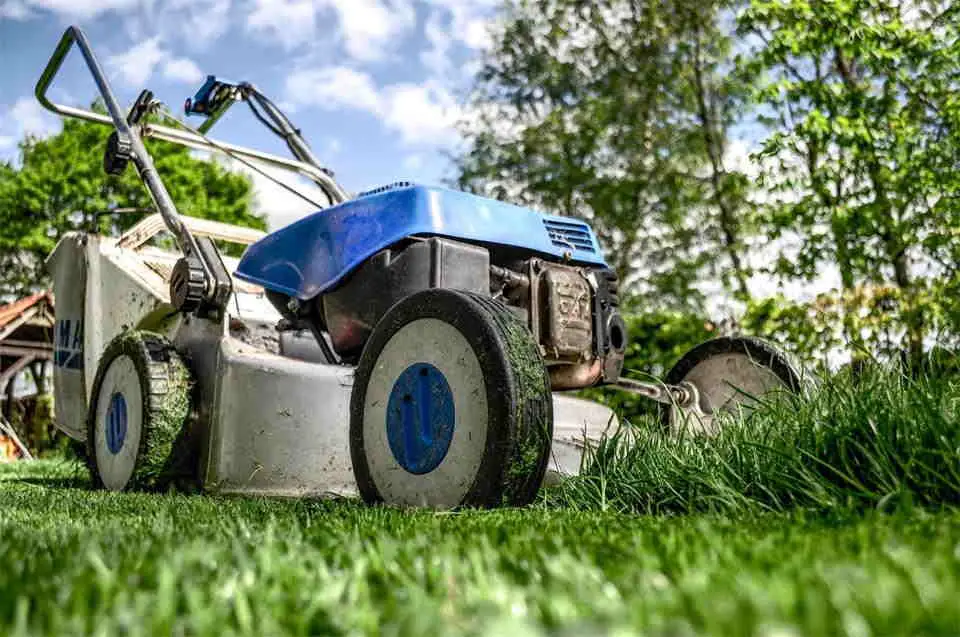
Is automation ruining the soul of gardening, or is it finally giving us space to enjoy it again? Gardening has long been about slowing down, getting hands in the dirt, and feeling a sense of purpose from nurturing something real.
But now, robotic mowers quietly buzz across lawns, drip systems time the watering to the second, and motion sensors know when a squirrel gets too close to your tomatoes. Some say it’s the future, others say it’s the end of authenticity.
The truth probably lives somewhere in between.
What Automation Actually Helps With
There’s a reason tech has found its way into the garden. Some tasks are repetitive, exhausting, or even damaging when done too often by hand. Here’s what machines genuinely do well:
- Mowing the lawn – This is one of the most time-consuming outdoor chores. Robots can handle it consistently, even when you’re busy.
- Watering schedules – Automated watering avoids over or under-watering, especially during dry seasons.
- Pest control alerts – Sensors or smart setups can catch signs of problems early, saving a whole bed of vegetables.
- Soil monitoring – Measuring moisture and nutrient levels helps avoid guesswork, particularly for beginners.
- Leaf collection – Certain systems can vacuum or sweep up debris, keeping paths clear without daily raking.
By taking these types of chores off the to-do list, people have more energy and time to focus on the parts of gardening that can’t be replicated by tech. You can let your robot lawn mower handle cutting the grass while you focus on the more creative and artistic elements of your garden!
The Parts That Still Need Human Hands
Even with robots in the mix, the heart of gardening is still deeply human. Technology might keep things tidy, but it doesn’t know your vision for the space. That’s your job.
Planting, designing, choosing what grows where… these are all decisions that come from instinct, experience, or a bit of creative trial and error. And let’s not forget the emotional side. Digging, planting, and harvesting bring satisfaction and peace that machines can’t deliver.
Here’s what humans still do best in the garden:
- Planning layouts – Knowing what plants grow well together and how much space each one needs isn’t something a machine can fully understand in context.
- Sowing seeds – This first step in the life cycle still feels better by hand. It’s personal.
- Pruning and training – Whether it’s shaping a rose bush or supporting tomato vines, this kind of care needs eyes, hands, and a feel for the plant’s rhythm.
- Harvesting – Picking fruit or vegetables at the perfect moment is an art form, one based on touch, smell, and look, not algorithms.
- Creative choices – Color combinations, textures, seasonal shifts, and wild ideas like growing edibles in a flower bed all come from human vision.
Striking the Right Balance
The key isn’t to reject automation or rely on it completely. It’s about giving it the right jobs. Let it do the parts that drain time, but don’t offer much joy. Keep the parts that feed your creativity and sense of purpose.
Think of it like hiring a helper, not a replacement. The helper cuts the lawn and waters the beds, so you can spend your energy shaping the space and connecting with it.
What balance can look like:
- Use a robotic mower to keep the lawn short, but spend weekends reshaping the edges or planting wildflowers.
- Let automated watering handle the basics, but walk the garden each morning to check the soil and make adjustments.
- Install motion sensors to monitor animal activity, but still hand-pick slugs or caterpillars when needed.
- Combine smart soil data with your own observations before deciding on compost or fertilizer changes.
This kind of balance puts you back in control without making you do every single task. It’s a garden that works with you, not one that controls you.
Common Concerns About Automation in Gardening
It’s not all smooth sailing, and it’s important to acknowledge the valid doubts.
“I’ll lose touch with the process.”
That depends entirely on how you use the technology. If automation becomes a replacement for your involvement, then yes, you might lose touch. But if it’s just handling maintenance, you actually gain more space to do the meaningful work.
“It feels unnatural.”
Gardening has always evolved. From ancient irrigation to greenhouses to raised beds, humans have constantly used tools to improve growing conditions. A robotic mower is just a modern version of that same instinct: to make things more efficient while still nurturing the land.
“It’s too expensive or complicated.”
Some automation does come with a cost, both in setup and learning curve. But not every system has to be top-of-the-line. Many people start small, adding only what makes life easier without overhauling everything.
What It Means for the Future of Gardening
If anything, this shift can make gardening more accessible. People who were once too busy, tired, or physically limited can now be part of the growing process again. Children can spend less time weeding and more time planting. Older gardeners can stay involved longer with a bit of automated help.
There’s also more opportunity for creative gardening. If you’re not spending all weekend mowing, maybe you can try a new herb spiral or build a raised bed with a custom irrigation line. Automation can unlock time, and time is often the biggest barrier to growing something meaningful.
The Garden Is Still Yours
Let robots handle the repetition, not the relationship. Your garden isn’t just a space that needs trimming and watering. It’s something that reflects you. Your style. Your choices. Your time.
That won’t ever come from a machine.
Use tech like you’d use any tool; to make things easier, not to take over. Keep your hands in the soil, your eyes on the blooms, and your heart in the process.
The most balanced garden is the one where the machines serve the vision, and the humans still lead.

The image of a remote island vacation is the very definition of escapism: turquoise water stretching to the horizon, white sand slipping between your toes, and no worries in the world. But the cost of accessing such paradise can often feel like a reality check. Is it possible to experience the dream without derailing your finances? Absolutely.
While island destinations like the Maldives, Bora Bora, or the Seychelles are known for their luxurious resorts and high-end price tags, traveling smart can help you enjoy a tranquil getaway without breaking the bank. Here’s how to plan your remote island escape with both serenity and savings in mind.
1. Pick the Right Island Destination
Not all island getaways carry the same price tag. While the Maldives might top many bucket lists, there are lesser-known tropical havens like the Philippines’ Siargao, Indonesia’s Gili Islands, or even Puerto Rico that offer similar vibes for a fraction of the cost.
Do your research. Compare daily expenses such as accommodations, transportation, and food. Consider islands that are less popular with international tourists, as these tend to offer better value without sacrificing natural beauty.
2. Travel in the Shoulder Season
Peak seasons bring higher prices, larger crowds, and lower availability. Instead, look for shoulder seasons—the periods just before or after peak travel times. You’ll often find better deals on flights and lodging, not to mention fewer people clogging up your sunset views.
For many tropical islands, the shoulder seasons fall between April to June or September to November. Just make sure to double-check for any regional weather patterns like monsoons or hurricanes.
3. Set a Realistic Budget Early
Planning without a clear budget is the fastest way to overspend. Before booking anything, determine how much you’re willing to spend overall, then break it down into categories: flights, accommodations, food, activities, transportation, and miscellaneous.
Online tools and apps like Trail Wallet or TravelSpend can help track your budget while you travel. Sticking to your budget may take some discipline, but it’s far better than returning home to a mountain of post-vacation debt.
4. Hunt for Flight Deals
Flights to remote islands are often the biggest expense, but there are strategies to reduce the cost. Set fare alerts through apps like Hopper or Skyscanner and book several months in advance. Flexibility is key—flying midweek or adjusting your dates slightly can lead to major savings.
Also, check if flying into a nearby hub and taking a regional airline or ferry can cut costs. For example, flying to Sri Lanka before heading to the Maldives can sometimes be cheaper than direct routes.
5. Choose Accommodations Wisely
While beachfront bungalows are tempting, they’re not the only option. Look for guesthouses, eco-lodges, or even hostels that offer more affordable rates. On some islands, Airbnb rentals or locally run bed-and-breakfasts can provide a more authentic experience at a lower cost.
If you’re still dreaming of that overwater villa, consider splitting your stay—spend most of your nights in a budget-friendly place, then book one or two nights of luxury to round off the trip. This approach allows you to sample indulgence without committing your entire budget to it.
For example, those exploring resorts in Maldives Islands will find a wide range of options, from ultra-luxury to surprisingly affordable accommodations, each offering a different perspective of the island lifestyle.
6. Be Smart About Food and Drink
Meals can add up quickly, especially on remote islands where imported goods drive prices up. To save money, mix up your dining options. Enjoy a few special dinners at well-rated restaurants, but seek out local eateries or street food for daily meals.
If your accommodation includes a kitchenette, prepare your own breakfast or snacks. Also, bring along reusable water bottles and snacks like granola bars or trail mix to avoid paying premium prices for convenience items.
7. Plan Activities Strategically
It’s easy to fill your itinerary with snorkeling trips, boat excursions, and spa days, but these extras can quickly inflate your expenses. Instead, pick one or two must-do experiences and plan free or low-cost activities around them.
Spend days lounging on the beach, hiking island trails, or swimming in natural lagoons. Many islands offer incredible beauty that doesn’t require an entrance fee.
8. Watch for Hidden Fees
Always double-check for hidden costs like resort fees, airport transfers, or ferry charges. These extras might not appear in the initial booking price but can significantly affect your budget. Read the fine print and reach out to hosts or hotels for full cost breakdowns if needed.
Final Thoughts
A remote island getaway doesn’t have to be financially out of reach. With smart planning, careful budgeting, and a willingness to adapt, you can enjoy paradise without a painful price tag. The key is to prioritize what matters most to you—whether it’s luxury, adventure, or quiet relaxation—and allocate your funds accordingly.
So yes, paradise can be practical. All it takes is a bit of forethought, flexibility, and the right mindset. The memories you’ll make under swaying palms and glowing sunsets will be worth every carefully spent penny.

Getting Your Bike Ready for Professional Transport

How Does the Car Insurance Business Model Work?

Emerging Markets Where Mobile Betting Is Growing Fast

Can a Good Attorney Get Federal Charges Dismissed?

5 Things You Should Know About Employment Contracts

5 Reasons Why Delaying Commercial Roofing Repairs Can Cost Your Business Big Time

Why Smooth Interfaces Matter More During Live Sports Moments: How Platforms Shape Split-Second Decisions
-
 Captions5 years ago
341 Sexy Captions to Fire Up Your Instagram Pictures
-
Captions5 years ago
311 Night Out Captions for Instagram and Your Crazy Night
-
Captions5 years ago
245 Saree Captions for Instagram to Boost Your Selfies in Saree
-
Captions4 years ago
256 Best Ethnic Wear Captions for Instagram on Traditional Dress
-
Captions5 years ago
230 Blurred Picture Captions for Instagram
-
Captions5 years ago
275 Deep Captions for Instagram to Express Your Thoughts
-
Quotes5 years ago
222 Nail Captions for Instagram to Showcase Your Fresh Manicure
-
Captions4 years ago
211 Laughing Captions for Instagram | Laughter Is the Best Medicine