Law
The First Move After a Suspected Medical Error Is the One That Decides the Case


The clock on a medical malpractice case can run out faster than almost anyone expects. In many states, the window is a year or two, not five. That deadline hangs over anyone who leaves a hospital or a specialist’s office with the uneasy sense that something didn’t go the way it should have, and it starts running long before most people realize they might have a case.
A short window like that means the wrong first move can close off options you didn’t know you had.
The Problem Isn’t Suspicion; It’s What You Do With It
Most people in this spot aren’t sure yet. One surgery led to a second surgery, or a diagnosis came late. Maybe a newborn spent time in the NICU for reasons no one fully explained.
The feeling is real, but it sits next to plenty of doubt: maybe the outcome was bad luck, maybe the provider did their best, maybe raising it will feel disrespectful.
So the natural response is to wait. Wait for the next appointment. Wait for the wound to heal. Wait for the follow-up scan. Wait until you feel more certain before making anyone uncomfortable.
But waiting is the move that costs people cases.
Why the Obvious Fix Falls Short
The intuitive plan looks reasonable on paper. Ask the doctor directly what happened. Give the treatment a chance to work. If things don’t improve, revisit it later with a clearer picture.
It feels measured. It also fails, for a few reasons that don’t get talked about enough.
- The deadline is shorter than you think. Statutes of limitations for medical malpractice claims are often measured in one or two years, and the clock typically starts when the injury is discovered or reasonably should have been. “Reasonably should have been” does a lot of work in that sentence, and courts are not generous with it.
- Answers from the provider are rarely the full story. A conversation with the treating doctor may reassure you, or it may not. Either way, it isn’t a substitute for an independent review of what actually happened. The people best positioned to explain the error are the ones with the least incentive to name it.
- Evidence gets harder to reconstruct. Memories fade and staff turn over. Records get amended, appended, or buried under new entries. The version of the chart you’d want a year from now is not necessarily the version that will exist by then.
- Continuing care can blur the picture. Ongoing treatment with the same provider complicates the timeline in ways that cut both directions, and untangling it after the fact takes real work.
What Actually Works
The better approach starts earlier and asks less of you. You don’t need to file anything, accuse anyone, or make a decision about a lawsuit. You need to preserve your ability to make that decision later, with good information.
- Request your full medical records. Under the HIPAA right of access, you can get a complete copy of your file, usually within 30 days. Ask for everything: physician notes, nursing notes, imaging, lab results, medication administration records, and any addenda. Put the request in writing and keep a dated copy.
- Write down the timeline while it’s fresh. Dates, symptoms, what you were told and by whom, what medications were given, what you asked about and how it was answered. The details you’re sure you’ll remember are the ones you won’t.
- Keep seeing doctors, but widen the circle. A second opinion from a provider outside the original practice or hospital system serves two purposes. It protects your health, and it creates an independent record of your current condition.
- Talk to an attorney early, not late. A short consultation with an experienced malpractice firm costs nothing and answers the only question that matters at this stage: is there something here worth reviewing? Most cases that get evaluated do not become lawsuits, and that’s fine. The point is to know.
None of this commits you to anything. It buys you the one thing a short filing deadline is designed to take away: time to decide with your eyes open.
Law
Your Smartwatch Just Became Evidence: What to Do When Heart-Rate, GPS, and Fitness Data Enter a Criminal Case
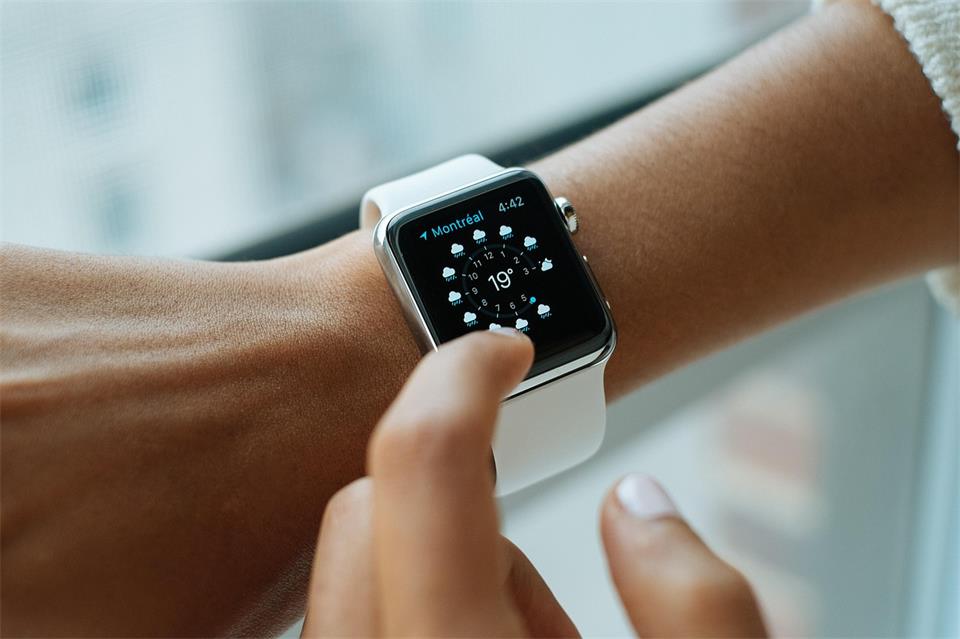
About one in five American adults wears a smartwatch or fitness tracker on a regular basis, and prosecutors have noticed. A device sold to count steps and nudge you off the couch now logs heart rate, GPS traces, altitude, sleep stages, and the second your pulse jumped. In a criminal case, those files become exhibits.
If you wear one, or someone close to you does, a handful of real decisions are waiting for you long before a detective ever calls. The worst time to work through any of them is under pressure, in the first hours after a serious incident.
Decide Whether to Keep Wearing It After an Incident
The reflex after any crisis, your own injury or someone else’s, is to pull the watch off and set it aside. Resist that reflex, and resist the opposite one too. A watch that keeps recording captures your real-time pulse, your location, the fact that you paced the kitchen for an hour. A watch suddenly removed, factory reset, or “lost” looks like exactly what it looks like.
Leave the device alone. Don’t delete the app, sign out of the cloud account, factory reset the watch, or hand it to someone else to hold.
“Once someone knows their wearable may contain evidence relevant to an investigation, trying to delete or alter that data can create a separate problem from whatever the data originally showed,” says SBBL Law. “The safer approach is to preserve the device and its data and let counsel determine what, if anything, needs to be produced.”
Decide Who Already Has Your Data
Most wearers assume their health metrics live on the watch. They live on a phone, in a vendor cloud, and often inside a secondary app that paid for the integration. Each of those custodians can receive a subpoena, a search warrant, or a preservation letter. Work through the full chain before you assume anything is private:
- The device itself. Local storage is small and recycled quickly, but recent sessions and the last sync token often sit there.
- The paired phone. The health app on your phone usually holds the richest, longest history, and it’s the easiest target in a consent search.
- The vendor’s cloud. Apple, Google, Fitbit, Garmin, and others store server-side copies that can be produced on legal process whether or not you still have the device.
- Third-party apps. Running, cycling, sleep, and fertility apps you connected years ago may still be pulling your data on a schedule you forgot about.
Consumer wearables mostly sit outside HIPAA, which surprises people. Fourth and Fifth Amendment problems come with that, including when the government can compel you to unlock a device versus when it has to go to the vendor directly.
Decide How Much to Trust the Numbers Themselves
Juries treat smartwatch readings like clock readings. They shouldn’t. Optical heart-rate sensors use photoplethysmography, which infers your pulse from light bouncing off capillaries, and the signal gets confused by motion, tattoos, dark skin, cold wrists, and loose bands. Stride and GPS have their own failure modes, especially indoors and under dense cover.
Prosecutors have won real cases with this data anyway. If you are the defendant, your decision is whether to attack the raw numbers, attack the interpretation, or both. The right answer depends on what the file actually shows when a forensic examiner pulls it, not on what the police report summarizes.
Decide Whether to Fight the Warrant or Fight the Reading
Two separate battles start once wearable data is in a case, and conflating them is a common mistake. One is whether the government should have gotten the data at all. The other is what the data actually proves.
The access fight runs through Carpenter v. United States, which required a warrant for historical cell-site location records held by a third party. Lower courts are still working out how far that reasoning stretches into continuous biometric data, and a motion to suppress is often worth filing even when the odds are mixed, because the record you build survives into appeal.
The reliability fight is different. A defense expert pulls the raw sensor file, shows the noise, points to the dropped signal, and explains why a sudden overnight spike might be the band shifting on the wrist rather than a sprint across a parking lot. Pick the fight that matches the evidence. Sometimes you file both motions, sometimes only one.
The device on your wrist is not neutral. It is a cooperative, always-on witness with no memory of what it saw and no instinct for self-preservation. The decisions above are the ones that let you, rather than the watch, shape the record.

Can the anesthesia machine be subpoenaed in a malpractice case? Not the machine itself – but the streams of data it produces during a surgery, and the operating room recorder increasingly sitting alongside it, are showing up in litigation files that used to run on paper charts and memory.
The old fight over what happened on the table came down to the anesthesiologist’s handwritten record, the surgeon’s dictated note, and whatever the nursing team remembered weeks later. That’s no longer how it works in a growing number of hospitals. A modern OR generates a synchronized stream of vitals, ventilator settings, drug pushes, alarms, timestamps, and in some rooms audio and video of the procedure itself.
Each of those streams is a separate story with its own preservation clock. Below are the categories both sides are already fighting over, one by one.
The Continuous Vitals Trace on the Anesthesia Record
Modern anesthesia information management systems pull heart rate, blood pressure, SpO2, end-tidal CO2, and ventilator parameters straight from the monitors, at intervals measured in seconds rather than the five-minute handwritten dots that used to fill an anesthesia sheet. That fidelity cuts both ways.
A defense expert can point to a stable trace across a two-hour procedure and dismantle a claim that the patient was hypoxic for meaningful stretches. A plaintiff’s expert can zoom into the same trace and find the four minutes of desaturation nobody charted by hand.
Early survey work on anesthesia information systems found departments viewed the automated record as an asset for risk management rather than a liability, with no cases reported in which the automated record had hindered a defense. That remains the pattern most litigators see. When the vitals match the narrative, the record protects the clinician. When they don’t, the record is where the case starts.
The Drug Timestamps Nobody Used to Question
Every push of propofol, every reversal agent, every bolus of pressor now carries a machine-generated timestamp – from the pump, the dispensing cabinet, or the anesthesiologist’s entry into the AIMS. Plaintiff’s counsel can line those timestamps up against the vitals trace and ask why a pressor went in nine minutes after the pressure dropped. Or why the reversal agent shows an entry time that predates the end of the case by longer than the pharmacology would suggest.
The reverse also happens. Clean, contemporaneous drug logs have ended cases early, because the story a family was told at bedside, that no one responded for twenty minutes, gets contradicted by a dispensing cabinet withdrawal thirty seconds after the alarm.
Firms handling complex surgical injury cases now ask for these logs early, before anyone has to rely on memory.
The Audit Log Behind the Chart
The visible anesthesia record is only the top layer. Underneath sits the EHR audit trail: who opened the chart, who edited a field, when a late entry was added, and whether an addendum was backdated. Courts have leaned into this metadata. A recent narrative review of anesthesia EHR systems walks through how metadata discovery, including the Vargas v. Lee line of cases, has expanded what plaintiffs can request from a hospital’s electronic record.
For clinicians, the practical effect is simple. A chart entry made hours later that says the patient was stable during the procedure is not the same document as an entry made in the moment. The audit log knows the difference, and opposing counsel will too.
The OR Black Box Is Now in the Room
The newest layer is the operating room black box itself, a multi-channel recorder that stitches together room video, laparoscopic feed, audio, and device data into one synchronized timeline. Deployments have spread across hospitals in North America and Western Europe, tracking vital signs, equipment malfunctions, and surgical team performance alongside the procedure video.
These systems were built for quality improvement, not litigation. Faces are typically blurred, voices altered, and raw footage deleted on a short cycle, often around thirty days. That deletion window is the whole ballgame. If a patient or family suspects something went wrong, the preservation letter has to land before the recorder overwrites itself.
Miss the window and the strongest piece of objective evidence in the case is gone, without anyone doing anything wrong to make it disappear.
What Patients and Families Actually Have to Do
The through-line across every category above is time. Anesthesia traces are usually preserved with the medical record and stay retrievable for years. Device alarm logs, dispensing cabinet exports, and OR black box footage run on a different clock. Some overwrite in weeks.
If something felt wrong about a procedure, an unexpected ICU admission, a delayed wake-up, an injury the consent form never mentioned, the useful move is a written preservation request to the hospital’s legal or risk department that names the specific data streams, not a generic request for the file.
Ask for the AIMS export in native format, the pump and dispensing cabinet logs, the device alarm history, the EHR audit trail, and any OR recording tied to the case. A hospital that receives that letter in the first week has an obligation to hold the data. A hospital that receives it in the third month may have nothing left to hold.
The anesthesia machine has been taking notes the whole time. Whether anyone still has them when the case is filed is a separate question, and often the one that decides it.
Law
The Message You Sent at 11 p.m. May Show Up in Court: Co-Parenting Apps vs. Everyday Texts as Evidence

A message sent to a co-parent can become part of a custody case long after the conversation itself is over. Timestamps, message history, read receipts, screenshots, and communication patterns can all help create a record of how parents interact outside the courtroom.
That reality is one reason structured co-parenting apps have become increasingly relevant in custody disputes. They are designed to preserve communication in a way ordinary text messaging was not, making it easier to establish when something was sent, what was said, and whether the record has been altered.
Custody fights increasingly turn on the paper trail parents build between hearings, not just the arguments made inside them. The channel you use to write to your co-parent can change what a judge sees, how much weight the record carries, and how easily the other side can challenge it.
The Record Is Built Differently Before Anyone Files Anything
A regular text thread is a personal log. A co-parenting app is a system of record. That distinction is real, not marketing language, and it starts the second a message leaves your phone.
Ordinary texts live on two devices and a carrier server. They can be edited on some platforms, deleted on almost all of them, screenshotted selectively, and pulled out of context. Co-parenting apps run the other direction. Messages lock at send, carry timestamps, and sit on the vendor’s servers with an audit trail.
When you hand something to a lawyer, the export already looks like an exhibit. The judges’ page from OurFamilyWizard spells out those features in plain terms: sent messages cannot be altered, timestamps track both sent and first-read events, and the whole conversation exports into a court-ready PDF.
Authentication Is Where Screenshots Quietly Fall Apart
Before a judge reads a message, someone has to prove the message is what you say it is. Under Rule 901 of the Federal Rules of Evidence, and the state rules that mirror it, the party offering electronic evidence must produce enough proof for a reasonable juror to find the record is genuine. That step is called authentication. It’s where casual screenshots start to lose.
Screenshots can be cropped. Timestamps can be spoofed on some devices. A phone with a contact saved as “Mom” does not, on its own, prove who typed the message on the other end.
Judges know this. An app export with an internal audit trail, an affidavit from the vendor, and per-message identifiers answers those questions before they get asked. A screenshot invites them.
Judges Read Patterns, Not Punchlines
One dramatic message rarely wins a custody hearing. A pattern does. Judges look for the shape of the exchange, not the highlight reel: which parent answers logistical questions on time, which parent holds the child’s schedule over the other’s head, which parent goes silent for two weeks and then floods the thread with grievances at midnight.
Everyday texts are hard to present as a pattern. They arrive in fragments across months, mixed with grocery lists and photos, and the ugly ones tend to be the only messages anyone remembers to save.
An app export is chronological, complete, and unedited by design. The pattern becomes legible without a lawyer having to reconstruct it from a shoebox of screenshots.
When Each Channel Actually Wins
Neither tool fits every family. The honest comparison looks like this.
- High-conflict co-parenting. Use an app. If a judge has already flagged the relationship as contentious, or if either parent has a habit of denying what was said, the unalterable record settles the fight before it starts.
- Cooperative co-parenting. Texts and email are fine for logistics. Keep the thread narrow, keep the tone flat, and write every message as if a stranger might read it later. Do not delete anything, even the messages you regret.
- Anything involving safety, money, or schedule changes. Move that conversation into a channel that timestamps and preserves it, regardless of how the rest of the co-parenting relationship is going. These are the exchanges that show up in filings.
- Anything you would not want read aloud. Do not send it on any channel. Call a friend, call a therapist, call a lawyer. Do not put it in writing to the other parent.
What to Do Before the Next Disagreement
If your custody order does not yet specify a communication channel and the relationship has any friction, ask for one. Courts commonly write co-parenting apps into orders once conflict shows up on the record. Getting there before a hearing puts you in a better spot than reacting after one.
The rules of evidence, the platform choice, and the tone of the writing all compound. A family law attorney can read the current thread, flag what would help or hurt in front of a judge, and recommend the channel that fits the case.
The message you send tonight is either building a record that helps your kids or one a lawyer will spend billable hours cleaning up. Pick the channel accordingly.

Why Creators Keep Misreading What a Sponsorship Actually Pays After Tax

Your Smartwatch Just Became Evidence: What to Do When Heart-Rate, GPS, and Fitness Data Enter a Criminal Case

How Operating Room Data Recorders Are Now Tackling Medical Malpractice Fights

The Message You Sent at 11 p.m. May Show Up in Court: Co-Parenting Apps vs. Everyday Texts as Evidence

The Number vs. The Story: How Coefficient of Friction Is Reshaping Slip-and-Fall Cases

How ICX Global Works From Sign-Up to Market Access

The Quiet Piece of Materials Science Sitting Under Your Induction Pan
-
 Captions5 years ago
341 Sexy Captions to Fire Up Your Instagram Pictures
-
Captions5 years ago
311 Night Out Captions for Instagram and Your Crazy Night
-
Captions5 years ago
245 Saree Captions for Instagram to Boost Your Selfies in Saree
-
Captions5 years ago
256 Best Ethnic Wear Captions for Instagram on Traditional Dress
-
Captions5 years ago
275 Deep Captions for Instagram to Express Your Thoughts
-
Captions5 years ago
230 Blurred Picture Captions for Instagram
-
Quotes5 years ago
222 Nail Captions for Instagram to Showcase Your Fresh Manicure
-
Captions5 years ago
211 Laughing Captions for Instagram | Laughter Is the Best Medicine