Home Improvement
10 Easy Air Conditioning Maintenance Tips for Every Homeowner

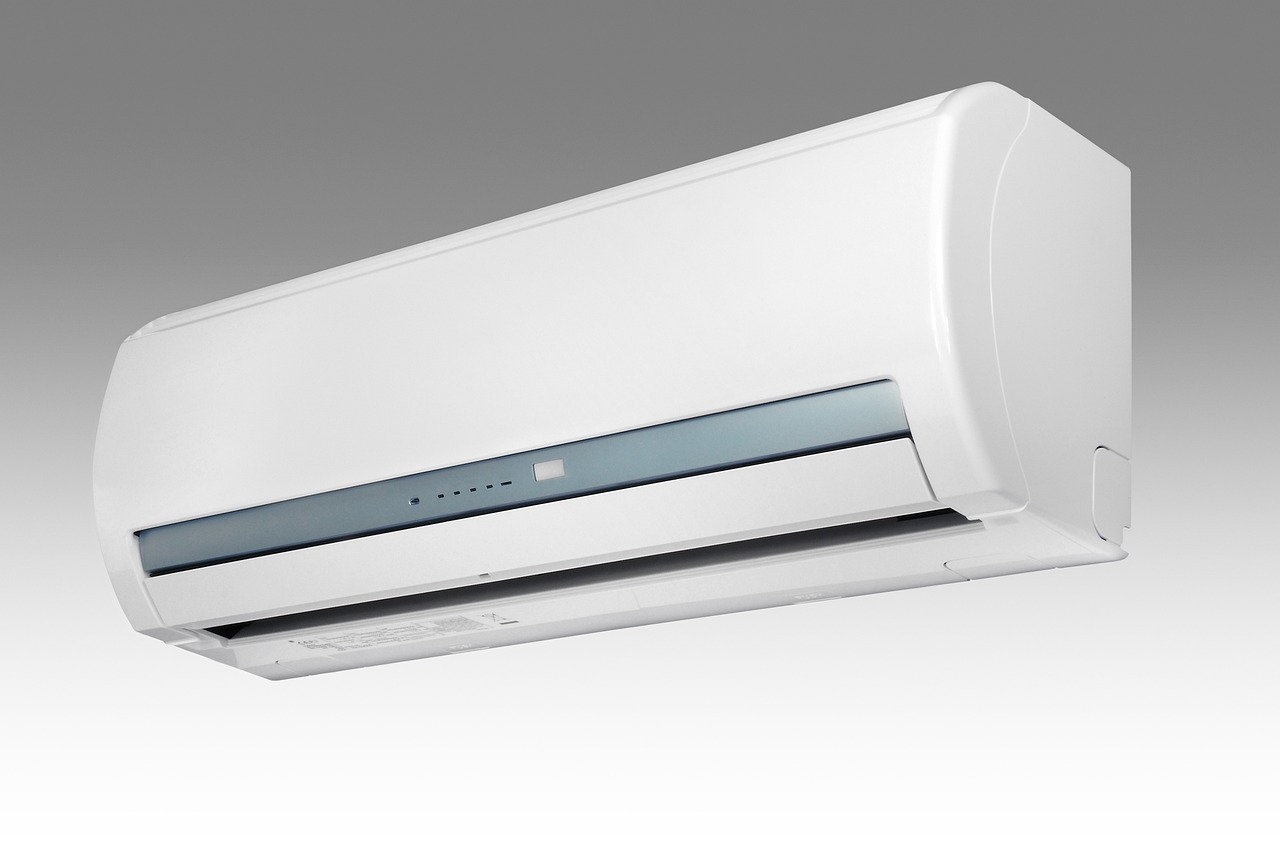
Air conditioners are quite necessary to keep our homes cool during the summer, but they need regular maintenance for them to continue functioning effectively.
Proper maintenance will help you not only to achieve a home comfort inside but also an extended lifespan for the unit and decrease in energy consumption.
If you’re facing frequent issues and think it might be time for a new unit, consider consulting an AC replacement company to explore your options.
Read our well-curated 10 pragmatic tips to guide you in effectively caring for your air conditioning system.
1. Routine Air Filter Changes for Optimal Performance

A very easy and important maintenance activity with your AC is replacing the air filter. When your filter becomes soiled and clogged, it’ll result in bad airflow and causes your system to work much harder and less efficiently than it needs to be. It also may affect the quality of air inside and causes allergies and respiratory problems.
Action Step: Check the air filter monthly, especially during high-season use periods. You should replace most air filters every 1-3 months. Replace it more often in these conditions of high usage if you have pets or a lot of dust floating around.
2. Inspect Your Thermostat for Proper Functioning
Your thermostat is part of the cooling appliance that has the significant responsibility to decide how you want your indoor temperature to be. If it cannot do so effectively, then your AC system will not work efficiently at all.
Action Step: Your thermostat should be set to the temperature and cooling mode correctly. For maximum energy saving, you might want to get a programmable thermostat: you can adjust the temperature to suit schedules to keep your home cool while saving on energy by not using as much when you are away.
3. Maintain Efficiency by Cleaning the Condenser Coils
Condenser coils are usually found in the outdoor unit. They cool the air in your home. They naturally collect dirt, dust, and debris over time that blocks the flow of cooling, causing your AC unit to work that much harder and ultimately overheat.
Action Step: Switch power off at the AC unit and spray coils gently with a garden hose. Avoid using a lot of pressure, since that will break the delicate fins, and for tough dirt stains, coil cleaner can be purchased usually at most hardware stores. Regular cleaning of the coils will make your unit work better.
4. Regularly Examine the Condensate Drain
The condensate drain also allows the moisture taken out of the air to drain outside your house. If it gets blocked, then it causes water damage; in addition, there would be high humidity levels inside your house.
Action Step: Check the condensate drain periodically for blockage or buildup inside it. If the drain is clogged, you can make it free using a wet/dry vacuum or pipe cleaner. Prevent the growth of algae and molds inside the drain line by just putting some drops of bleach there.
5. Maintain evaporator coils with routine cleaning
Inside this indoor unit is the evaporator coil, which takes heat from your home’s air. Dirty coils degrade performance and can even freeze the system up.
Action Step: Access the Evaporator Coils You may need to take up some of the indoor unit’s panels for access to the evaporator coils. Wipe off with a soft brush any dust or dirt that has gathered on them. Alternatively, use a no-rinse coil cleaner spray, if you want to clean it more thoroughly. Check and clean these coils at least once per year.
6. Ensure Ductwork is Leak-Free and Sealed
Leaky ducts significantly impact your AC system’s efficiency since the cool air escapes before it reaches its desired room. This wastes energy in addition to running the system harder to achieve and maintain the desired temperature.
Action Step: Check your ductwork for openings, seams, or partially or completely separated joints. Seal the openings, seams, and joints with mastic sealant. You can also use metal-backed tape, but avoid not duct tape. If you do not know the condition of your ductwork, have a professional assess it.
7. Keep Debris Away from the Outdoor Unit
An outdoor condenser unit will need adequate airflow for its successful operation. Sticking leaves, grass, or twigs can restrict airflow. They can adversely affect your system’s performance.
Action Step: Maintain at least 2-3 feet of clearance around the outdoor unit, free from debris. Some foliage or shrubs will need to be trimmed back, or if you experience leaves or other debris, clean these out on a regular basis. Also, ensure the unit is level on its base. If it is not level, it may cause problems with operations.
8. Check for Adequate Refrigerant Levels
The refrigerant inside your ac unit absorbs and releases heat. Therefore, it will play a big role in how effective it is in cooling your home. Thereby, the refrigerant levels inside your ac system may determine its efficiency or failure if low.
Action Step: If your AC system is not cooling right, that’s pretty much a good telltale sign that you have low refrigerant or a leak. Both of these are professional jobs that involve diagnosis and repair. Never mess around with refrigerants on your own-they’re hazardous to your health.
9. Plan Annual Maintenance with a Professional Expert
Most of the maintenance work may be done by an individual, but it’s quite recommended that you have your professional HVAC technician visit your system at least once every year to check several things that would not easily pop into the average homeowner’s mind.
Action Step: The pre-season inspection should be scheduled in spring before the cooling season starts. A technician will check and inspect your refrigerant levels, work on all electrical components, clean the coils, and check to ensure that your system is good and working well.
10. Stay Alert to Fluctuations in Energy Bills
An increase in your energy bill without any corresponding increase in your usage could very well be caused by an inefficient working of your AC system. This may result from a faulty component, dirty filter, or refrigerant leak, among others.
Action Step: Monitor your monthly energy bills. Whenever there is an unusual increase in your monthly energy bills, you should inspect your AC system yourself and check everything is fine or not. If you find nothing wrong, you should consider hiring a professional to inspect it properly.
Bonus Tip: Use Ceiling Fans Alongside Your AC for Efficiency
You could use ceiling fans with your AC system to circulate cool air in a more balanced fashion to every area in the house. That way, you might be able to raise the thermostat by another two or three degrees without seeming to lose much comfort, improve efficiency on the AC a little bit and save money on electricity.
Action Step: Flip on ceiling fans in rooms being occupied to help cool. Never forget to shut them off when leaving the room. It is these people, not the space which is being cooled.
Conclusion
Proper maintenance of your air conditioner can help ensure that you always have a cosy indoor climate and avoid expensive breakdowns or even having to replace the whole unit.
If you follow these 10 essential maintenance tips, your AC unit will perform with efficiency, save you energy dollars, and prolong its life.
The average person desires a sense of comfort, and one way to attain this comfort is by maintaining their AC unit.
Regular attention to your AC unit will improve its performance and give you peace of mind during sweltering months. Stay cool and comfortable by making AC maintenance a priority in your home!

Do you want to be a better environmental steward? Whether because of global warming or the need to slash utility bills, there are things you can do to save the environment and reduce costs.
You don’t have to spend an arm and a leg to make your residence more environmentally friendly, either. It might be easier than you thought. If you have the right tools and the desire to roll up your sleeves and get things done, you might want to consider some DIY projects.
It can cost a small fortune to hire contractors to complete home improvement projects for you. That can still be a good investment if you’d rather get the job done up to code and safely.
You may already have the skills to tackle at least some projects. Who knows? You might enjoy DIY home renovations, remodeling, and repairs so much that you make it a career or side hustle. One way to get a feel for what the trades are like is to pursue online trade certifications that can be done not only for a relatively low amount, but also from home or anywhere else.
With that said, here are five projects you can consider implementing for better energy efficiency.
1. Change Toilets
You can save a lot of water by swapping older toilets with newer ones. For instance, a standard toilet uses about seven gallons every time you flush it. A low-flow toilet uses 1.6 gallons or less per flush, so you can drastically reduce water use and save money simultaneously.
2. Swap Light Bulbs
If you’re using incandescent light bulbs, you’re paying more for electricity than you need to.
Consider this statistic: A mere 10% of the energy used by incandescent light bulbs is transformed into light. The remaining 90%? It’s lost as heat. So, if you want a more energy efficient home, you need to upgrade your light bulbs. Yes, that means getting rid of the incandescent light bulbs.
LED light bulbs are better. They use 75% or more less energy and last up to 25 times longer than incandescents. And very little of their energy is lost as heat. You’ll get efficiency and long-lasting properties when you buy LED bulbs for your residence. You’ll also save money.
3. Switch Shower Heads
Another way to make your home more energy efficient and sustainable is by getting low-flow shower heads in the bathrooms to reduce water use.
According to one source, using a low-flow showerhead means two hours and fifty-five minutes of showering will use merely 262 gallons of water. That works out to a water reduction of 60% monthly versus using a regular shower head. You can get new shower heads relatively inexpensively, which means you can cut down on water substantially for a low investment.
4. Address Drafty Doors and Windows
If you have drafty doors and windows, your home isn’t as energy efficient as it should be. The interior comfort will be sub-par, and your HVAC will work hard to accommodate for the drafty windows and doors. All you might need to fix the problem is some weather stripping and caulking. You can get these things at your local hardware store and apply them as necessary. Doing this can make a huge difference in your energy bills.
5. Add Insulation in the Attic
If you want to boost your energy efficiency without paying an arm and a leg, one option is to add more insulation in the attic. An older home might lack sufficient insulation. So, it’s a good idea to assess your attic and add insulation if there isn’t enough up there right now.
Getting an adequate level of insulation and sealing any drafts will make it easier to regulate the interior temperature. In fact, it can reduce your yearly energy bills by as much as 10%. Otherwise, you’ll put too much stress on your HVAC, costing you more money.
It pays to hire a professional to do any work in your attic. That’s especially the case if you have an older home that might have asbestos insulation in the attic. You probably know that asbestos is a harmful substance that’s known to cause cancer.
These are some ways you can make your home more sustainable and energy efficient. It’s not just about doing what’s best for the environment — as important as that is. But you can also maximize the spending power of your hard-earned money when you invest in sustainability.

Open-plan living spaces have become increasingly popular due to their airy, spacious feel and seamless flow. However, while these expansive layouts are great for socializing and maximizing natural light, they can sometimes lack structure.
The key to making an open-plan space functional and visually appealing is to introduce distinct zones for different activities, such as lounging, dining, and working.
Here are some clever ways to achieve well-defined areas without sacrificing the openness of your home.
Use Area Rugs to Define Spaces
One of the simplest yet most effective ways to introduce zones in an open-plan living area is by using premium modern area rugs. These rugs act as visual anchors, helping to distinguish between different areas within the same room.
For instance, a large, plush rug can set apart the lounge area, while a smaller, sleek design can mark the dining space. When selecting rugs, consider complementing colors and patterns that blend well with your overall decor while still adding personality to each zone.
Incorporate Multi-Functional Furniture
Strategically placed furniture can also help create distinct areas in an open-plan space. Sofas with chaise lounges or sectional designs can subtly separate the living room from the dining area without blocking the flow of the space.
Additionally, bookcases, sideboards, or open shelving units can act as partitions while maintaining an airy feel. Consider using backless shelving units to create a semi-open division that allows light to pass through while still offering clear zoning.
Utilize Different Lighting Styles
Lighting is a powerful tool in defining zones within an open-plan layout. Consider using a variety of lighting fixtures tailored to each area’s function. A statement chandelier or pendant light over the dining table can create a focal point, while floor lamps and table lamps can add warmth to the living area.
For a home office nook, task lighting, such as an adjustable desk lamp, ensures adequate illumination while signaling a shift in purpose.
Play with Color and Materials
A subtle yet effective way to distinguish different areas within an open space is by using varying colors and materials. This can be done through contrasting wall paint, wallpaper, or even textured finishes.
For example, a feature wall behind the dining table can create a designated dining zone, while wooden paneling or a bold paint color can define a reading nook. Similarly, varying flooring materials, such as transitioning from hardwood in the living area to tiles in the kitchen, can naturally demarcate spaces.
Introduce Statement Dividers
Room dividers are a fantastic way to create zones while maintaining flexibility. Instead of traditional walls, opt for modern and stylish dividers like glass partitions, wooden slats, or metal-framed panels. Sheer curtains or folding screens can also add an element of softness and versatility, allowing you to open up or close off spaces as needed.
Arrange Seating Thoughtfully
Seating arrangements play a crucial role in defining different areas within an open-plan home. Positioning sofas and armchairs to face inward toward a central coffee table creates an inviting living space, while aligning dining chairs around a distinct table establishes a separate dining area.
If you have a workspace within the same room, using a dedicated office chair and desk setup will clearly distinguish it from the leisure zones.
Maximize Vertical Space with Hanging Elements
Another clever way to introduce zones without cluttering your space is to use hanging elements such as pendant lights, hanging planters, or ceiling-mounted shelving. Hanging a series of pendant lights above a kitchen island or dining table naturally separates it from the rest of the room.
Similarly, suspending plants in one corner can create a cozy reading nook or relaxation spot.
Introduce Greenery for Natural Separation
Houseplants are not only great for aesthetics and air quality but can also act as natural dividers in an open-plan space. Large potted plants, such as fiddle-leaf figs, snake plants, or tall palms, can create subtle separations while maintaining a fresh and organic feel.
For a more structured approach, consider placing plants on tiered shelves or along room edges to reinforce different zones.
Define Spaces with Raised or Sunken Areas
Architectural elements such as raised platforms or sunken floors can create an instant sense of zoning in an open-plan space. A slightly elevated dining area or a sunken lounge provides clear visual cues while maintaining an uninterrupted flow. This design technique is particularly useful in loft-style apartments or homes with high ceilings.
Use Sliding or Folding Doors for Flexibility
For those who want the option of closing off certain spaces when needed, sliding or folding doors are a great solution. Glass or wooden sliding doors can separate a home office or guest room from the main living area without making the space feel too enclosed.
Folding doors provide the flexibility to open up or partition off spaces as required, making them a versatile addition to any open-plan layout.

Maintaining a vibrant lawn no longer demands countless hours of hard work. Thanks to exciting innovations in lawn care technology, homeowners can enjoy a beautifully manicured yard without the strenuous labor of the past.
Here are some remarkable gadgets that make lawn maintenance seamless and efficient, allowing you to spend less time working and more time enjoying the lush paradise right outside your door.
1. Solar-Powered Mowers
Solar-powered mowers are an excellent choice for those looking to reduce their carbon footprint while keeping their lawn in shape. These self-sustaining devices harness the sun’s energy, eliminating the need for gas or frequent battery charges. Many models come with innovative programming, allowing them to operate autonomously with minimal user input.
2. AI-Powered Lawn Monitors
With AI-powered lawn monitors, keeping track of your lawn’s health is now easier. These devices analyze soil conditions, detect pests, and provide insights on watering and fertilization. By syncing with mobile apps, they offer real-time recommendations tailored to your specific lawn conditions, ensuring optimal growth.
3. Remote-Controlled Mowers
Remote-controlled mowers are a fantastic alternative if you prefer a hands-on approach but want to avoid the strain of traditional mowing. These machines offer precision cutting with minimal effort and are especially useful for navigating tight spaces, slopes, or uneven terrain.
4. Zero Turn Lawn Mowers
For large yards that require frequent mowing, zero turn lawn mowers offer unmatched efficiency. These high-performance machines allow for seamless manipulation around trees, flower beds, and other obstacles, cutting down mowing time significantly.
5. Smart Fertilizer Spreaders
Excessive or insufficient fertilization can damage your lawn, turning it into a patchy mess. Fortunately, smart fertilizer spreaders have emerged to streamline the process. These advanced devices use algorithms to deliver fertilizer accurately, ensuring your lawn gets the nutrients it needs without waste.
Many models offer mobile app integration for easy scheduling, helping your outdoor space thrive.
6. High-Precision Dethatchers
A thick layer of thatch can deprive your grass of the oxygen, water, and nutrients it needs to thrive, resulting in a lackluster lawn. High precision dethatchers are an excellent solution, effortlessly cutting through this suffocating barrier and revitalizing your turf.
With both electric and battery-operated models available, dethatching becomes a simple and quick task, transforming what was once a laborious chore. Say goodbye to the strenuous effort of manual raking and enjoy a lush, vibrant lawn that can breathe and flourish!
7. Automated Pest Control Devices
Lawn pests can quickly destroy even the most well-maintained grass. Automated pest control devices use ultrasonic sound waves or natural repellents to deter insects and rodents without harmful chemicals. These eco-friendly solutions help maintain a healthy lawn without requiring constant monitoring.
8. Self-Watering Grass Mats
If you struggle with keeping your lawn hydrated, self-watering grass mats offer an innovative solution. These mats retain moisture and gradually release it into the soil, ensuring consistent hydration. Ideal for dry climates or busy homeowners, they reduce the need for frequent watering.
9. Grass-Clipping Composters
Instead of disposing of grass clippings, why not turn them into natural fertilizer? Grass-clipping composters break down lawn debris into nutrient-rich compost that can be reused for your lawn and garden. These devices accelerate the decomposition process, reducing waste and enriching soil health.
10. Lawn Mapping Drones
For those who love precision in lawn care, drones equipped with mapping technology can scan your lawn and provide detailed reports on patchy areas, soil health, and growth patterns. This technology helps homeowners optimize their lawn care routine by identifying specific areas that need attention.
Final Thoughts
The days of spending countless hours on lawn care are behind us. With modern technology, transforming your yard into a lush oasis has never been easier. Imagine a sleek, solar-powered mower gliding smoothly across your grass, quietly trimming the blades to perfection while utilizing solar energy.
Envision automated pest control systems quietly protecting your garden, using advanced technology to deter unwanted pests without disturbing your serene outdoor space.
Investing in these smart lawn care solutions frees up your weekends and ensures that your outdoor area remains vibrant and healthy with minimal effort. Embrace the future of landscaping and watch your yard flourish, providing you with a beautiful retreat without requiring much work on your part.

The Message You Sent at 11 p.m. May Show Up in Court: Co-Parenting Apps vs. Everyday Texts as Evidence

The Number vs. The Story: How Coefficient of Friction Is Reshaping Slip-and-Fall Cases

How ICX Global Works From Sign-Up to Market Access

The Quiet Piece of Materials Science Sitting Under Your Induction Pan

Reporting Inside vs. Going to the Government: What Whistleblowers Get Wrong About Their Options

The Gun Isn’t the Case: What Actually Wins or Loses a New Jersey Weapons Charge

The $10,000 Number Most People Misunderstand About Federal Money Laundering
-
 Captions5 years ago
341 Sexy Captions to Fire Up Your Instagram Pictures
-
Captions5 years ago
311 Night Out Captions for Instagram and Your Crazy Night
-
Captions5 years ago
245 Saree Captions for Instagram to Boost Your Selfies in Saree
-
Captions5 years ago
256 Best Ethnic Wear Captions for Instagram on Traditional Dress
-
Captions5 years ago
275 Deep Captions for Instagram to Express Your Thoughts
-
Captions5 years ago
230 Blurred Picture Captions for Instagram
-
Quotes5 years ago
222 Nail Captions for Instagram to Showcase Your Fresh Manicure
-
Captions5 years ago
211 Laughing Captions for Instagram | Laughter Is the Best Medicine