Travel
Here Are the Top 12 Winter Destinations in India


Indian winters are mild, and a trip there during that time will surely be one of the most memorable holidays. Winter begins in India around mid-November and lasts until early February. Besides attractions and attractions, you can enjoy various festivals and activities during the winter months. The Cochin Festival in Kerala and the once-a-year Goa Festival in Goa are two famous festivals of the state.
India is a great place to visit if you want to get away from the hustle and bustle of the holiday season. If you are planning a winter vacation to India with Indigo Airlines, you might want to visit the following wonderful destinations.
1. Gulmarg, Jammu and Kashmir

Gulmarg, tucked away in the far north, is a wonderful place to spend the winter. The lakes freeze over and the whole area is blanketed with snow during this season. This means it’s the ideal place to try out snow sports like skiing and snowboarding. You may try it at two locations: Kongdori and Apharwat Ridge. The Gondola ride cable car service also links the two locations.
2. Rann of Kutch, Gujrat
The Rann of Kutch is located in Gujarat and is often referred to as the “white desert” of India. It is shaped like a tortoise, and its two-month-long cultural event, Rann Utsav, is well-known worldwide. See the huge stretches of the white desert and participate in adventure sports like hot-air ballooning, which draw visitors from all over the globe. Kutch is located on the India–Pakistan border, therefore you can even look into Pakistan.
3. Shimla, Himachal Pradesh
When winter rolls around in India, many people go to Shimla, the biggest city of Himachal Pradesh which is one of the most popular tourist destinations in the country. It often snows at this time since the temperature drops below freezing. The availability of robust coffee, as well as the opportunity to ice skate and attempt skiing, are other major draws. Last but not least, the beautiful scenery makes it an ideal location for photographers.
4. Goa

There isn’t a “best time” to visit Goa, although December through February is when the Christmas carnival is held. Additionally, the SUNBURN event is held here every December. Other than that, this is the party centre of India, so you can expect loud music, delicious food, and a wild crowd. Still, if you’re not the party kind, you can warm your toes in the sand and your soul in the sun even while the temperature outside plummets.
5. Manali, Himachal Pradesh
Manali is a popular winter getaway in India due to its picturesque landscape, which includes snow-capped mountains, narrow roads, and towering deodar trees. The Dhauladhar and Pir Panjal mountains, which are blanketed with snow practically every year, may be seen from here. Travellers can also find comfortable homestays and dormitories with bunk beds here, where they can stay for as long as they wish and at fair charges for an unlimited number of days.
6. Wayanad, Kerala

Known as “God’s Own Country”, Wayanad in the Indian state of Kerala is a popular summer holiday destination. It is home to a variety of animals and spice crops. It also has a beautiful collection of plant and animal life. The Western Ghats provide a tranquil backdrop for this area, which is rich in ancient caves, waterfalls, and relaxing resorts and homestays. In addition to that, it is equipped with a hiking path that is enjoyable to stroll along throughout the wintertime.
7. Gangtok, Sikkim
Gangtok, the capital of Sikkim and the starting point of the historic Indo-China Silk Road will appeal to people from all walks of life. With its rich flora and fauna, vibrant monasteries and refreshing mountain lakes, Gangtok is a healthy place. The city doesn’t get snow, but it’s still below-freezing all winter. It also offers a picture of the afterlife of the snow-capped Himalayas.
8. Auli, Uttarakhand
The Indian ski resort town of Auli is surrounded by pine trees, apple trees and ancient oak trees. Located at an altitude of 2800 metres, it has three spectacular peaks, Kamat, Nanda Devi and Manaparvata. Apart from being famous for skiing, Auli is a town in the Himalayas that dates back to the eighth century AD.
9. Udaipur, Rajasthan
Udaipur, sometimes referred to as the “Venice of the East”, has many impressive mediaeval buildings and pools. Travellers from all over the world come to the city to see the magnificent Jag Mandir and the Lake Palace. The second major selling point of the place is the majestic Aravalli Range which surrounds the area and offers a great view of the top. In addition, its architecture reflects the richness of the Rajapur period.
10. Binsar, Uttarakhand

Binsar, a little-known hill town at an altitude of 420 metres, is one of the best winter destinations in India. It is a quiet and relatively uncrowded city in Uttarakhand. The cloud-covered peaks of Kedarnath, Nanda Devi and Trishul are clearly visible. The Binsar Wildlife Sanctuary here is also notable for its incredible diversity of flora and fauna within the sanctuary.
11. Dalhousie, Himachal Pradesh
Dalhousie, another mountain range in the state of Himachal Pradesh, is a popular summer holiday destination for its picturesque scenery of snow-capped hills and valleys Named after Lord Dalhousie, the area was founded in 1854. As a result of its significance to the British, a distinct colonial atmosphere persists there as well. Dalhousie’s attractions include its Scottish and Victorian buildings, as well as its pine-covered valleys, meadows, rainforests, and waterfalls.
12. Tawang, Arunachal Pradesh

Tawang, in the Indian state of Arunachal Pradesh, is a less-visited hill station that sits at an elevation of 3048 metres above sea level. The fact that it really gets snow in the winter makes it the ideal place to visit in India. Along with the Giant Buddha Statue and the Tawang War Memorial, this area is home to the 400-year-old Tawang Monastery. Last but not least, the area provides a fantastic close-up of the Himalayas.

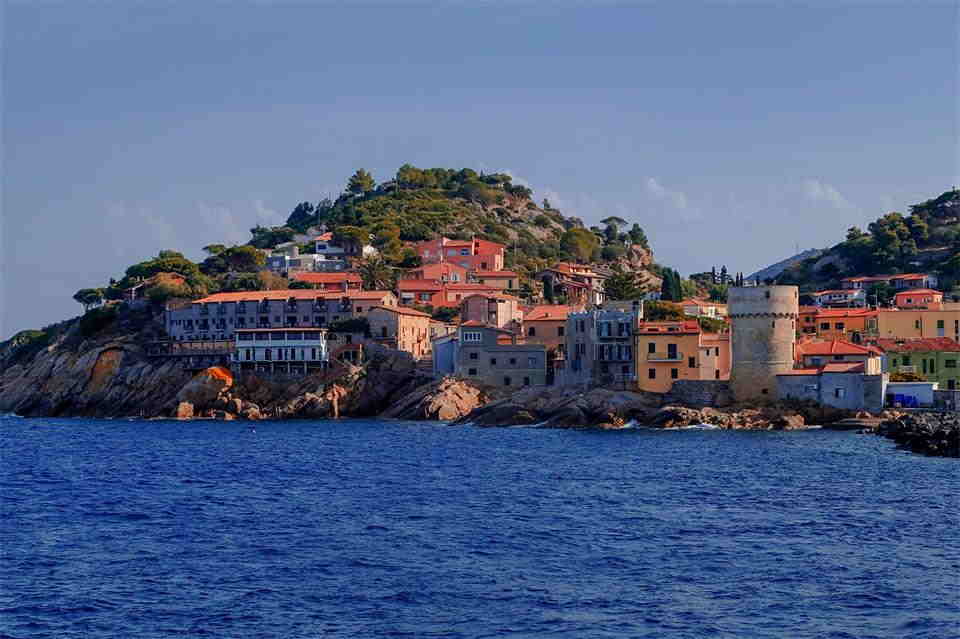
The image of a remote island vacation is the very definition of escapism: turquoise water stretching to the horizon, white sand slipping between your toes, and no worries in the world. But the cost of accessing such paradise can often feel like a reality check. Is it possible to experience the dream without derailing your finances? Absolutely.
While island destinations like the Maldives, Bora Bora, or the Seychelles are known for their luxurious resorts and high-end price tags, traveling smart can help you enjoy a tranquil getaway without breaking the bank. Here’s how to plan your remote island escape with both serenity and savings in mind.
1. Pick the Right Island Destination
Not all island getaways carry the same price tag. While the Maldives might top many bucket lists, there are lesser-known tropical havens like the Philippines’ Siargao, Indonesia’s Gili Islands, or even Puerto Rico that offer similar vibes for a fraction of the cost.
Do your research. Compare daily expenses such as accommodations, transportation, and food. Consider islands that are less popular with international tourists, as these tend to offer better value without sacrificing natural beauty.
2. Travel in the Shoulder Season
Peak seasons bring higher prices, larger crowds, and lower availability. Instead, look for shoulder seasons—the periods just before or after peak travel times. You’ll often find better deals on flights and lodging, not to mention fewer people clogging up your sunset views.
For many tropical islands, the shoulder seasons fall between April to June or September to November. Just make sure to double-check for any regional weather patterns like monsoons or hurricanes.
3. Set a Realistic Budget Early
Planning without a clear budget is the fastest way to overspend. Before booking anything, determine how much you’re willing to spend overall, then break it down into categories: flights, accommodations, food, activities, transportation, and miscellaneous.
Online tools and apps like Trail Wallet or TravelSpend can help track your budget while you travel. Sticking to your budget may take some discipline, but it’s far better than returning home to a mountain of post-vacation debt.
4. Hunt for Flight Deals
Flights to remote islands are often the biggest expense, but there are strategies to reduce the cost. Set fare alerts through apps like Hopper or Skyscanner and book several months in advance. Flexibility is key—flying midweek or adjusting your dates slightly can lead to major savings.
Also, check if flying into a nearby hub and taking a regional airline or ferry can cut costs. For example, flying to Sri Lanka before heading to the Maldives can sometimes be cheaper than direct routes.
5. Choose Accommodations Wisely
While beachfront bungalows are tempting, they’re not the only option. Look for guesthouses, eco-lodges, or even hostels that offer more affordable rates. On some islands, Airbnb rentals or locally run bed-and-breakfasts can provide a more authentic experience at a lower cost.
If you’re still dreaming of that overwater villa, consider splitting your stay—spend most of your nights in a budget-friendly place, then book one or two nights of luxury to round off the trip. This approach allows you to sample indulgence without committing your entire budget to it.
For example, those exploring resorts in Maldives Islands will find a wide range of options, from ultra-luxury to surprisingly affordable accommodations, each offering a different perspective of the island lifestyle.
6. Be Smart About Food and Drink
Meals can add up quickly, especially on remote islands where imported goods drive prices up. To save money, mix up your dining options. Enjoy a few special dinners at well-rated restaurants, but seek out local eateries or street food for daily meals.
If your accommodation includes a kitchenette, prepare your own breakfast or snacks. Also, bring along reusable water bottles and snacks like granola bars or trail mix to avoid paying premium prices for convenience items.
7. Plan Activities Strategically
It’s easy to fill your itinerary with snorkeling trips, boat excursions, and spa days, but these extras can quickly inflate your expenses. Instead, pick one or two must-do experiences and plan free or low-cost activities around them.
Spend days lounging on the beach, hiking island trails, or swimming in natural lagoons. Many islands offer incredible beauty that doesn’t require an entrance fee.
8. Watch for Hidden Fees
Always double-check for hidden costs like resort fees, airport transfers, or ferry charges. These extras might not appear in the initial booking price but can significantly affect your budget. Read the fine print and reach out to hosts or hotels for full cost breakdowns if needed.
Final Thoughts
A remote island getaway doesn’t have to be financially out of reach. With smart planning, careful budgeting, and a willingness to adapt, you can enjoy paradise without a painful price tag. The key is to prioritize what matters most to you—whether it’s luxury, adventure, or quiet relaxation—and allocate your funds accordingly.
So yes, paradise can be practical. All it takes is a bit of forethought, flexibility, and the right mindset. The memories you’ll make under swaying palms and glowing sunsets will be worth every carefully spent penny.

How Operating Room Data Recorders Are Now Tackling Medical Malpractice Fights

The Message You Sent at 11 p.m. May Show Up in Court: Co-Parenting Apps vs. Everyday Texts as Evidence

The Number vs. The Story: How Coefficient of Friction Is Reshaping Slip-and-Fall Cases

How ICX Global Works From Sign-Up to Market Access

The Quiet Piece of Materials Science Sitting Under Your Induction Pan

Reporting Inside vs. Going to the Government: What Whistleblowers Get Wrong About Their Options

The Gun Isn’t the Case: What Actually Wins or Loses a New Jersey Weapons Charge
-
 Captions5 years ago
341 Sexy Captions to Fire Up Your Instagram Pictures
-
Captions5 years ago
311 Night Out Captions for Instagram and Your Crazy Night
-
Captions5 years ago
245 Saree Captions for Instagram to Boost Your Selfies in Saree
-
Captions5 years ago
256 Best Ethnic Wear Captions for Instagram on Traditional Dress
-
Captions5 years ago
275 Deep Captions for Instagram to Express Your Thoughts
-
Captions5 years ago
230 Blurred Picture Captions for Instagram
-
Quotes5 years ago
222 Nail Captions for Instagram to Showcase Your Fresh Manicure
-
Captions5 years ago
211 Laughing Captions for Instagram | Laughter Is the Best Medicine