Law
What to Do after a Miami Car Accident


Car accidents are a distressing reality that many people face, often leaving victims grappling with physical injuries, emotional trauma, and the complexities of navigating insurance claims. Knowing the right steps after a car accident is crucial in the bustling city of Miami, where traffic is a constant companion.
This article will guide you through the aftermath of a car accident in Miami, emphasizing the importance of seeking legal assistance, especially when dealing with the intimidating insurance companies that are a common presence in such cases.
Prioritize Safety
In the immediate aftermath of a car accident, all parties’ safety should be the top priority. Move to a safe location, check for injuries, and call for medical assistance if needed. Miami has a high volume of traffic, so be cautious of your surroundings to avoid further accidents.
Document the Scene
Once everyone is safe, photograph the accident site. Photograph the cars, the surrounding area, and any obvious injuries. Contact and insurance information should be exchanged with the other parties involved. This documentation may subsequently be used as critical evidence.
Report the Accident
It is essential in Miami to report an accident to police enforcement. Even if the accident seems to be small, obtaining an official record might help with the insurance claims procedure. Make a copy of the police report for your files.
Seek Medical Attention
Regardless of the severity of injuries, seek medical attention promptly. Some injuries may not manifest immediately, so it’s crucial to undergo a thorough medical examination. Document all medical treatments, prescriptions, and follow-up appointments.
Contact an Attorney
When dealing with the aftermath of a car accident in Miami, seeking legal representation is a prudent step, especially if you have sustained injuries. Insurance companies are famous for giving low settlements to save money, and their threatening methods may put victims at a disadvantage.
Personal injury attorneys can safeguard your rights and guarantee you obtain fair compensation. They are familiar with the complexities of Florida’s legal system and can negotiate with insurance companies on your behalf. If you were involved in an accident with an Uber vehicle, having a Miami Uber accident lawyer is even more critical, given the complexities of rideshare insurance policies.
Handle Insurance Communications Wisely
Insurance companies may contact you promptly after an accident, and handling these communications is crucial. Refrain from providing recorded statements without legal advice, as these can be used against you. Let your attorney engage with the insurance providers so you do not accept a low-ball offer.
Handling insurance communications wisely is crucial for securing a fair outcome after a car accident. By relying on legal expertise, you can confidently navigate these conversations, ensuring your rights are protected and you receive the compensation you deserve.
Preserve Evidence
Your attorney will help you gather and preserve evidence relevant to your case. This may include witness statements, surveillance footage, and other documentation that strengthens your claim.
Complexity of Car Accidents
Car accidents, though unfortunately common, are far from straightforward events. They introduce many complexities, from immediate safety concerns to long-term legal and financial implications. Understanding the multifaceted nature of car accidents is crucial for anyone who finds themselves entangled in the aftermath of a collision.
Car accidents can result from a multitude of factors, including distracted driving, speeding, impaired driving, adverse weather conditions, and mechanical failures. Determining the primary cause is the first layer of complexity, as it often involves sifting through witness statements, police reports, and sometimes even expert opinions.
The rise of rideshare services like Uber adds another layer of complexity. Accidents involving Uber vehicles bring unique challenges due to the intricacies of rideshare insurance policies and the question of driver liability. Additionally, introducing autonomous vehicles raises questions about responsibility and liability in accidents involving self-driving cars.
Conclusion
Navigating the aftermath of a car accident in Miami requires a strategic approach to protect your rights and secure fair compensation. Seeking medical attention, documenting the scene, and contacting an attorney are vital steps to ensure you are not taken advantage of by insurance companies. In the vibrant city of Miami, where accidents are unfortunately common, being prepared and informed is the key to a smoother recovery process.

Law
The Message You Sent at 11 p.m. May Show Up in Court: Co-Parenting Apps vs. Everyday Texts as Evidence

A message sent to a co-parent can become part of a custody case long after the conversation itself is over. Timestamps, message history, read receipts, screenshots, and communication patterns can all help create a record of how parents interact outside the courtroom.
That reality is one reason structured co-parenting apps have become increasingly relevant in custody disputes. They are designed to preserve communication in a way ordinary text messaging was not, making it easier to establish when something was sent, what was said, and whether the record has been altered.
Custody fights increasingly turn on the paper trail parents build between hearings, not just the arguments made inside them. The channel you use to write to your co-parent can change what a judge sees, how much weight the record carries, and how easily the other side can challenge it.
The Record Is Built Differently Before Anyone Files Anything
A regular text thread is a personal log. A co-parenting app is a system of record. That distinction is real, not marketing language, and it starts the second a message leaves your phone.
Ordinary texts live on two devices and a carrier server. They can be edited on some platforms, deleted on almost all of them, screenshotted selectively, and pulled out of context. Co-parenting apps run the other direction. Messages lock at send, carry timestamps, and sit on the vendor’s servers with an audit trail.
When you hand something to a lawyer, the export already looks like an exhibit. The judges’ page from OurFamilyWizard spells out those features in plain terms: sent messages cannot be altered, timestamps track both sent and first-read events, and the whole conversation exports into a court-ready PDF.
Authentication Is Where Screenshots Quietly Fall Apart
Before a judge reads a message, someone has to prove the message is what you say it is. Under Rule 901 of the Federal Rules of Evidence, and the state rules that mirror it, the party offering electronic evidence must produce enough proof for a reasonable juror to find the record is genuine. That step is called authentication. It’s where casual screenshots start to lose.
Screenshots can be cropped. Timestamps can be spoofed on some devices. A phone with a contact saved as “Mom” does not, on its own, prove who typed the message on the other end.
Judges know this. An app export with an internal audit trail, an affidavit from the vendor, and per-message identifiers answers those questions before they get asked. A screenshot invites them.
Judges Read Patterns, Not Punchlines
One dramatic message rarely wins a custody hearing. A pattern does. Judges look for the shape of the exchange, not the highlight reel: which parent answers logistical questions on time, which parent holds the child’s schedule over the other’s head, which parent goes silent for two weeks and then floods the thread with grievances at midnight.
Everyday texts are hard to present as a pattern. They arrive in fragments across months, mixed with grocery lists and photos, and the ugly ones tend to be the only messages anyone remembers to save.
An app export is chronological, complete, and unedited by design. The pattern becomes legible without a lawyer having to reconstruct it from a shoebox of screenshots.
When Each Channel Actually Wins
Neither tool fits every family. The honest comparison looks like this.
- High-conflict co-parenting. Use an app. If a judge has already flagged the relationship as contentious, or if either parent has a habit of denying what was said, the unalterable record settles the fight before it starts.
- Cooperative co-parenting. Texts and email are fine for logistics. Keep the thread narrow, keep the tone flat, and write every message as if a stranger might read it later. Do not delete anything, even the messages you regret.
- Anything involving safety, money, or schedule changes. Move that conversation into a channel that timestamps and preserves it, regardless of how the rest of the co-parenting relationship is going. These are the exchanges that show up in filings.
- Anything you would not want read aloud. Do not send it on any channel. Call a friend, call a therapist, call a lawyer. Do not put it in writing to the other parent.
What to Do Before the Next Disagreement
If your custody order does not yet specify a communication channel and the relationship has any friction, ask for one. Courts commonly write co-parenting apps into orders once conflict shows up on the record. Getting there before a hearing puts you in a better spot than reacting after one.
The rules of evidence, the platform choice, and the tone of the writing all compound. A family law attorney can read the current thread, flag what would help or hurt in front of a judge, and recommend the channel that fits the case.
The message you send tonight is either building a record that helps your kids or one a lawyer will spend billable hours cleaning up. Pick the channel accordingly.

In Sorrels v. NCL, a woman slipped on a wet teak cruise deck after a rainstorm and fractured her wrist. The case came down to whether an engineer could hand the jury a single number about that deck: its coefficient of friction. The Eleventh Circuit said yes, and courts have been leaning on that logic ever since.
That one ruling captures a shift running through premises liability. A slip-and-fall case used to be a fight over what a reasonable property owner should have done. More and more, it’s a fight over a decimal.
The Number Promises Objectivity the Story Can’t
Coefficient of friction, or COF, is what physics hands lawyers when they want to get past he-said, she-said. Drag a weighted slider across a floor, measure the resistance, and you get a value between 0 and 1. Higher means grippier. Lower means the floor was, in a measurable sense, slick.
That kind of evidence carries weight in a courtroom. A jury can argue all day about whether a puddle was obvious or whether the mop bucket sign was visible. A number won’t argue back. It sits on a report next to a threshold, and either the floor cleared the bar or it didn’t. The witness who used to say the tile felt slippery now says the tile tested at 0.31.
The Story Still Decides What the Number Means
A number on its own doesn’t tell you much. A dry showroom tile and the same tile after a spilled latte are two different surfaces. A test run the day of the fall and one run eighteen months later, after a resealing, are measuring two different floors.
Shoes matter. Contaminants matter. Even the slider material used in the test is a stand-in for a particular kind of heel. This is where the human account earns its keep. What was on the floor? Who saw it, and when? Had the owner been warned before?
A COF value is evidence about a moment, and the moment has to be reconstructed by people who were there.
Regulators Picked a Line, and It’s Doing a Lot of Work
COF has pull because safety bodies attached thresholds to it. An OSHA interpretation letter has long pointed to a static coefficient of friction of 0.5 as a reasonable guideline for walking and working surfaces. Tile standards set a wet dynamic COF of 0.42 for level interior floors. Accessibility guidelines have historically pushed higher, around 0.6 for level surfaces and 0.8 for ramps.
None of those numbers is law in every jurisdiction, and they don’t all measure the same thing. But once a threshold exists, it becomes gravity in a courtroom. A tested value below the recommended floor is the plaintiff’s opening slide. A tested value above it is the defense’s.
When the Number Wins, and When the Story Does
Some cases are won or lost almost entirely on the friction reading:
- Fixed, unchanged surfaces. A stone lobby floor that hasn’t been resurfaced since installation will test today roughly the way it tested a year ago. The number holds up.
- Cases with clear standards. Ceramic tile in a wet area has a recognized DCOF threshold. Falling below it hands the plaintiff a clean argument.
- Recurring conditions. If the same entryway floods every rainstorm, testing it wet mirrors the actual hazard, not a hypothetical one.
Other cases turn back into stories no matter how careful the testing is. A transient spill can’t be measured after the fact. A worn strip of stair nosing behaves differently under a running child than under a test sled. Footwear, distraction, lighting, warning signs: none of it shows up on a tribometer.
The Best Cases Weave the Two Together
The practical takeaway for anyone who’s been hurt: preserve both tracks. Photograph the scene before it gets cleaned. Note the shoes, the lighting, the warnings, and the witnesses.
Then get someone qualified out to test the surface before it’s repaired, resealed, or replaced. Delay is the enemy of a reliable COF reading, and repairs are the enemy of any reading at all.
Attorneys who handle premises liability claims tend to build the file both ways from day one, because they’ve watched cases pivot on whichever half of the record is stronger. Sometimes the number carries it, sometimes the walkthrough does.
The floor didn’t fail her. The number did.
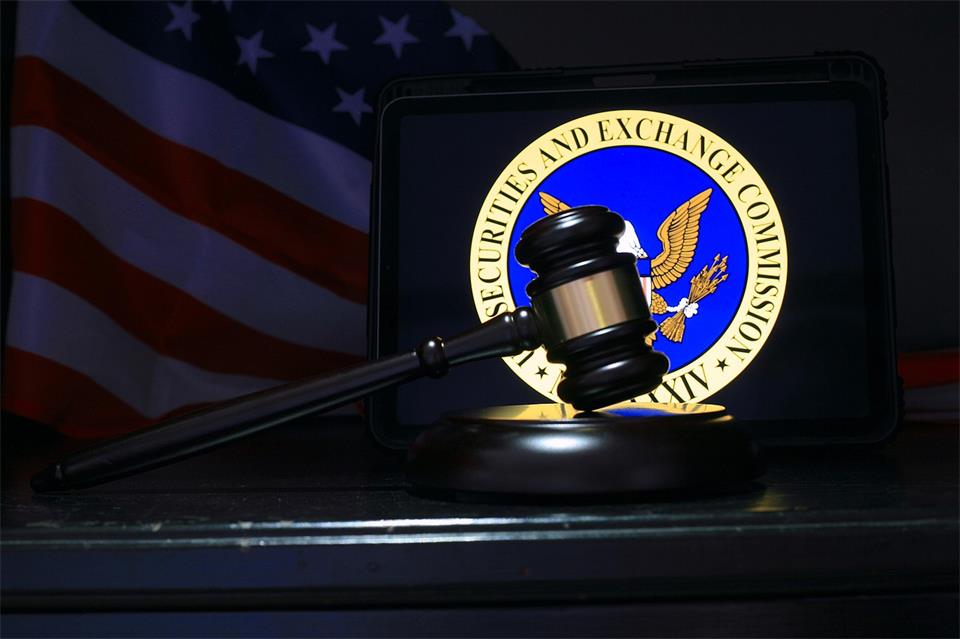
In April 2025, a former president of two SunEdison subsidiaries walked away with a massive payout from a whistleblower retaliation lawsuit.
He had raised his concerns internally first, going to officers and directors. He got fired anyway.
That’s the tension every would-be whistleblower runs into. Report inside the company and give leadership a shot at fixing things, or go straight to a regulator and pick up the stronger legal shield?
Both paths have a real case. Neither one is automatic.
Internal Reporting Moves Faster, External Reporting Hits Harder
Internal channels exist for a reason. A supervisor, an ethics hotline, or a compliance officer can act on a problem in days, not years. If the misconduct is contained and leadership actually wants to know about it, an internal report is often the shortest line between the problem and a fix.
External reporting works differently. The trade-off is speed and control. Once a government agency picks up the file, the timeline is theirs, not yours.
Where You Report Decides Which Laws Protect You
This is the piece most employees miss. A complaint made only to your manager or HR doesn’t usually carry the same legal weight as a report to a regulator. Under Dodd-Frank, for example, the strongest anti-retaliation protections attach when the tip actually reaches the SEC, not when it sits in a company inbox.
External reporting also opens the door to a defined complaint process. OSHA alone enforces the whistleblower provisions of more than 20 federal statutes covering safety, transportation, environmental, financial, and consumer laws, each with its own filing window measured in days. Miss the window and the protection can evaporate, no matter how strong the underlying claim.
When Reporting Internally Is the Smarter First Move
Going inside first still makes sense in plenty of real situations. It’s the right call when the conduct looks like a mistake rather than a scheme, when the people above the wrongdoer are clean, and when you want the problem fixed rather than punished.
When External Reporting Is the Only Path That Works
Other situations flip the math. If leadership is part of the problem, or if the misconduct involves federal money, securities fraud, or worker safety, internal channels can be worse than useless. They tip off the wrongdoers and give them time to clean up the record.
Retaliation Is Where the Two Paths Collide
The SunEdison case is educational because the executive did what every compliance guide tells people to do. He raised the issue internally first. The retaliation claim came only after he was pushed out. Reporting inside doesn’t inoculate you against being punished for it, and the law recognizes that.
That’s why the sharpest employees treat the two paths as sequenced, not either-or. Report internally in writing, keep copies away from company systems, note dates and witnesses, and get advice from a whistleblower rights attorney before the response comes back. If retaliation follows, the record you built inside becomes the backbone of the external case.
How to Choose Between Them
There isn’t one right answer, but there is a useful test. Ask three questions before you file anything: Is leadership part of the problem, or separate from it? Does the misconduct fall under a statute with a short filing window? And do you have a written record that will survive if the company decides to push back?
The mistake isn’t picking the wrong path. It’s picking one without understanding what you’re giving up on the other. Get that clear before you send the first email, and the rest of the process gets a lot easier to work through.

The Message You Sent at 11 p.m. May Show Up in Court: Co-Parenting Apps vs. Everyday Texts as Evidence

The Number vs. The Story: How Coefficient of Friction Is Reshaping Slip-and-Fall Cases

How ICX Global Works From Sign-Up to Market Access

The Quiet Piece of Materials Science Sitting Under Your Induction Pan

Reporting Inside vs. Going to the Government: What Whistleblowers Get Wrong About Their Options

The Gun Isn’t the Case: What Actually Wins or Loses a New Jersey Weapons Charge

The $10,000 Number Most People Misunderstand About Federal Money Laundering
-
 Captions5 years ago
341 Sexy Captions to Fire Up Your Instagram Pictures
-
Captions5 years ago
311 Night Out Captions for Instagram and Your Crazy Night
-
Captions5 years ago
245 Saree Captions for Instagram to Boost Your Selfies in Saree
-
Captions5 years ago
256 Best Ethnic Wear Captions for Instagram on Traditional Dress
-
Captions5 years ago
275 Deep Captions for Instagram to Express Your Thoughts
-
Captions5 years ago
230 Blurred Picture Captions for Instagram
-
Quotes5 years ago
222 Nail Captions for Instagram to Showcase Your Fresh Manicure
-
Captions5 years ago
211 Laughing Captions for Instagram | Laughter Is the Best Medicine